 Sudden Valley Siding
 Metal Roofing on Yew Street: Built for This Specific Climate
Yew Street sits inside the same weather pattern that shapes every roofing decision in Sudden Valley: damp Pacific air moving in off the water, long stretches of low-intensity rain that can last for days, and a moss season that runs longer here than it does twenty miles inland in Whatcom County. None of that is exotic or unusual — it's just the baseline. But it changes what "correct" looks like on a metal roof. A panel system, fastener pattern, or underlayment choice that works fine in a drier climate can underperform here if it wasn't specified with salt-tinged, moisture-heavy air in mind.
We install and service metal roofing on Yew Street homes with that baseline in mind from the first estimate. That means talking through drainage, ventilation, and material compatibility before we ever talk about panel color or profile — because those are the decisions that determine whether a metal roof lasts fifteen years or fifty.
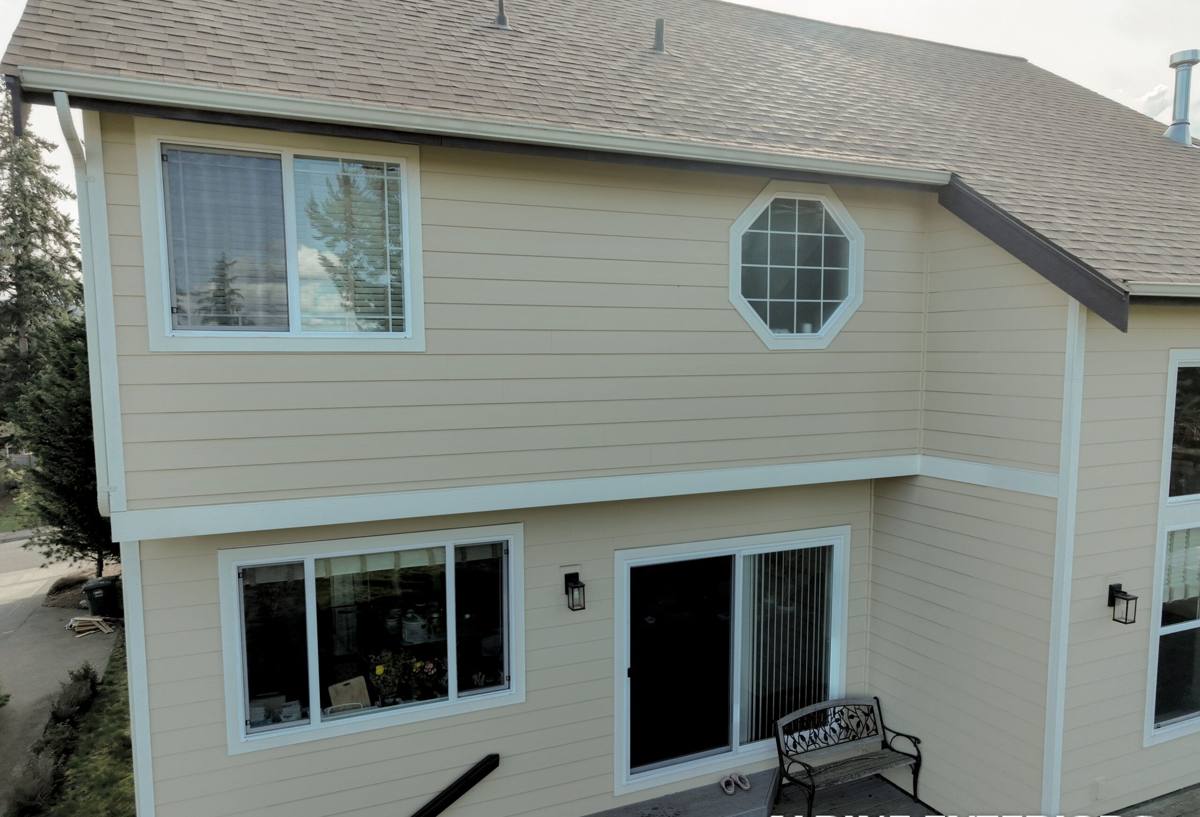
What Metal Roofing Has to Handle Here
Salt Air and Corrosion
Homes near Lake Whatcom and the broader Sudden Valley area deal with airborne moisture that carries mineral and salt content, especially on homes with more open exposure. Bare or poorly coated steel, exposed cut edges, and mismatched fasteners are where corrosion starts. It's not usually the field of the panel that fails first — it's the small connection points: screws, flashing seams, and cut ends where the protective coating has been compromised.
Driving Rain
Sudden Valley doesn't get flash downpours as often as it gets long, wind-driven rain events. That kind of weather tests horizontal water intrusion at laps, valleys, and penetrations far more than it tests the panels themselves. A metal roof with underspecified underlayment or loose lap engagement can look fine for years and then leak during exactly the kind of storm it was supposed to shrug off.
Moss and Organic Buildup
Tree cover around Yew Street keeps roofs shaded and slower to dry, which is ideal moss habitat. Moss on metal roofing behaves differently than moss on shingles — it doesn't usually root into the material, but it does hold moisture against the panel and fasteners longer than the roof would otherwise stay wet, and it can interfere with drainage at low-slope transitions and valleys if it's allowed to build up.
What a Correct Metal Roof Installation Actually Involves
A lot of what determines a metal roof's lifespan happens before a single panel goes on the roof. On Yew Street homes we treat these as non-negotiable steps, not upgrades:
- Deck inspection and repair — any soft, rotted, or previously water-damaged decking gets replaced before underlayment goes down, not covered up
- High-quality synthetic or self-adhered underlayment — especially at eaves, valleys, and low-slope sections where wind-driven rain has the most opportunity to work its way back under laps
- Correct fastener selection — matched to the panel's metal type to avoid galvanic corrosion between dissimilar metals, a real risk in a moisture-heavy climate
- Proper panel overlap and lap sealant — undersized laps or skipped sealant are common shortcuts that don't show up as problems for a few years
- Flashing detail at every penetration and transition — chimneys, skylights, vents, and wall intersections are where the majority of real-world leaks originate, not the open field of the roof
- Balanced intake and exhaust ventilation — critical for controlling condensation on the underside of metal panels, which is a different failure mode than surface leaks and easy to miss during a routine inspection
Comparing Metal Roofing Systems for This Area
Not every metal roofing system performs the same way in a moss-prone, salt-air, high-rainfall setting. Here's how the main options compare for a Yew Street home:
| System | Water Performance | Moss Resistance | Maintenance | Typical Lifespan |
|---|---|---|---|---|
| Standing seam (concealed fastener) | Excellent — no exposed fastener penetrations in the field | Very good; smooth surface sheds debris | Low | 40-60 years |
| Exposed fastener panel | Good if fasteners are maintained; fastener seals are the weak point | Good | Moderate — fasteners need periodic checking | 25-40 years |
| Stone-coated steel | Good; profile mimics shingle or tile drainage patterns | Moderate; textured surface can hold organic debris longer | Moderate | 30-50 years |
For most Yew Street homes with real tree cover and consistent moisture exposure, we lean toward standing seam for its lack of exposed field fasteners — fewer penetration points means fewer places for water or corrosion to start. Exposed fastener systems are a legitimate, more affordable option, but they come with a maintenance expectation: periodic fastener inspection and gasket replacement over the roof's life. We'll walk through the honest trade-offs for your specific roof rather than defaulting to one system.
Our Process for a Yew Street Metal Roof
1. On-Site Assessment
We walk the roof, check the decking condition where accessible, look at existing ventilation, and note tree cover, drainage paths, and any areas with a history of moss buildup or past leaks. This is also when we measure and discuss panel profile and color.
2. Tear-Off or Overlay Decision
Metal roofing can sometimes be installed over an existing roof system with the right furring strips and ventilation gap, but on a home with any deck damage, prior leak history, or an aging roof underneath, we recommend a full tear-off. Covering up a problem doesn't solve it — it just delays when you find out about it.
3. Deck Prep and Underlayment
Damaged decking is replaced. Underlayment is installed with extra attention at eaves, valleys, and any low-slope transitions, which is where wind-driven rain does the most damage in this climate.
4. Panel Installation
Panels are installed with correct overlap, matched fasteners, and properly sealed laps. Flashing is custom-fit at every chimney, vent, skylight, and wall intersection rather than relying on generic pre-formed pieces that don't match the actual roof geometry.
5. Final Walkthrough
We check flashing, fastener lines, and ventilation before calling the job done, and we walk the finished roof with you so you know what to expect and what (if anything) needs periodic attention.
Moss and Long-Term Maintenance
Metal roofing needs less maintenance than most other roofing materials, but "less" isn't "none" — especially with the tree cover common around Sudden Valley. A simple seasonal checklist keeps a metal roof performing the way it's supposed to:
- Clear leaves, needles, and debris from valleys and low-slope areas before fall rains set in
- Check gutters and downspouts for moss or debris blockages that can back water up under eave flashing
- Look (or have a contractor look) for any moss buildup starting at panel laps or fastener lines, where it holds moisture longest
- Trim back tree limbs that keep sections of the roof shaded and slow to dry
- Avoid pressure washing metal panels — it can strip protective coatings and drive water under laps; a soft wash or manual clearing is the safer approach
Ventilation: The Overlooked Half of the Job
A metal roof that's installed correctly on the outside can still develop problems from the inside if attic ventilation isn't balanced. Warm, moist household air rising into an under-ventilated attic condenses on the cool underside of metal panels, which looks and behaves like a leak but isn't one — it's a moisture management problem. We check intake (soffit) and exhaust (ridge or roof vents) balance as part of every metal roofing project, because it's far easier and cheaper to fix during installation than to diagnose after the fact.
What Affects the Cost of a Metal Roof Here
| Factor | Why It Matters |
|---|---|
| Panel system chosen | Standing seam typically costs more upfront than exposed fastener panels, offset by lower long-term maintenance |
| Roof complexity | Valleys, dormers, and multiple roof planes require more custom flashing labor |
| Tear-off vs. overlay | Tear-off adds cost but is often the right call on an aging or previously damaged roof |
| Decking condition | Rot or soft decking found during tear-off adds repair cost that's hard to estimate until the roof is opened up |
| Ventilation upgrades | Adding or correcting intake/exhaust venting is a smaller add-on cost with a real payoff in roof lifespan |
We give straightforward, itemized estimates rather than a single lump number, so you can see exactly what you're paying for and where the flexibility is if budget is a factor.
Why a Crew That Already Works Sudden Valley Matters
Metal roofing done right is detail work — the panels themselves are a commodity, but the flashing, ventilation, and fastener decisions are where quality shows up over time. A crew that regularly works Yew Street and the rest of Sudden Valley has already seen how roofs in this specific microclimate age: which details hold up to the moss season, which flashing approaches actually keep driving rain out, and which shortcuts cause problems five years down the road instead of five months. That local pattern recognition is hard to substitute with a generic checklist, no matter how good the checklist is.
It also means faster response if something does need attention after the install — warranty work, a maintenance check, or a question about a storm — from a crew that's already familiar with your home and your street rather than starting from zero.
Get a Straightforward Estimate
If you're weighing metal roofing for a Yew Street home, we're happy to walk the roof, talk through what your specific home needs given its exposure and tree cover, and give you an honest, itemized estimate — no pressure, no upsell. Fill out the form below to get started.