 Sudden Valley Siding
 Why Windows Wear Differently in Sunnyland
Sunnyland homes sit in a stretch of Whatcom County where the weather doesn't let up for long. Salt-laden air moves through the area, wind-driven rain hits window walls at an angle instead of straight down, and a long moss season keeps everything damp for months at a stretch. None of that is dramatic on its own, but windows are one of the first parts of a house to show the cumulative wear. Seals give out sooner, wood sashes hold moisture longer than they should, and hardware that would last decades in a drier climate starts to corrode or seize up years early.
None of this means Sunnyland is a hard place to keep windows in good shape. It just means the margin for error is smaller. A window that's installed correctly, with the right flashing and the right materials for this climate, holds up fine. One that's installed with shortcuts — even good-quality windows — will show problems within a few years. Most of what separates a window replacement job that lasts from one that doesn't comes down to installation details most homeowners never see.
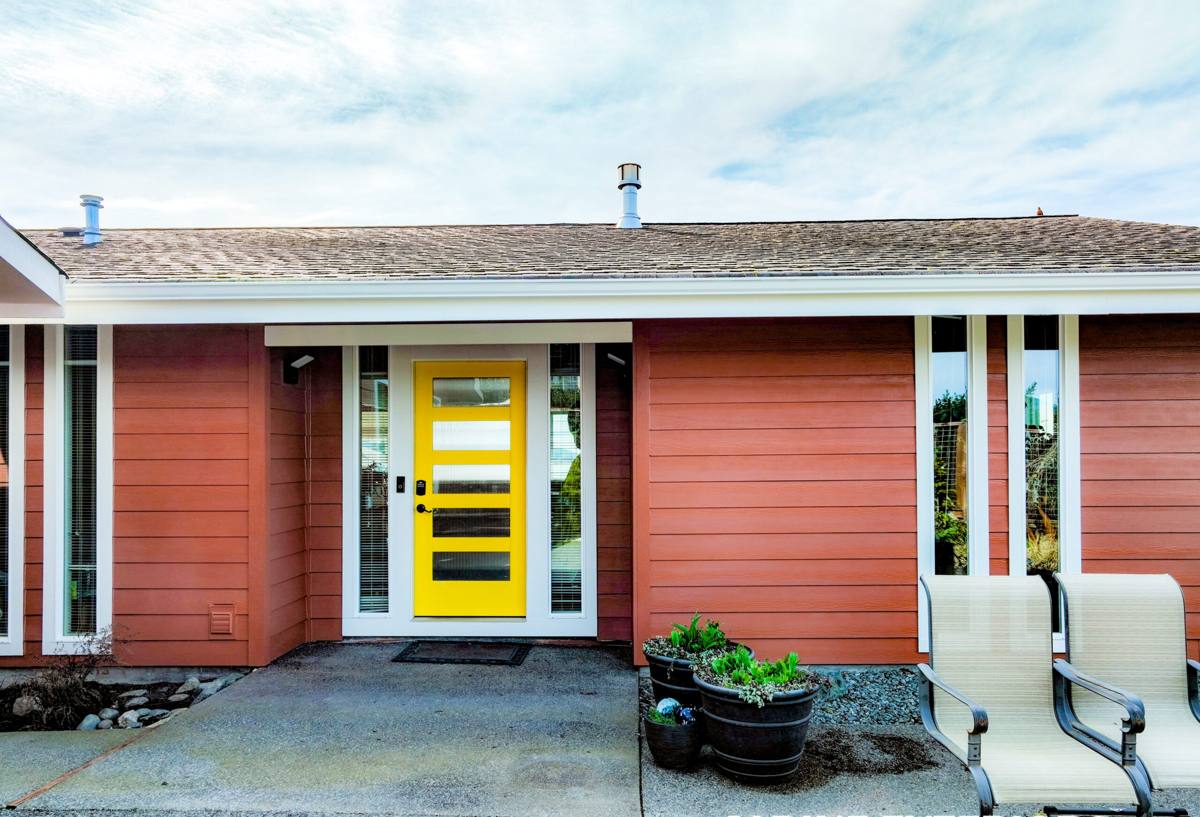
Signs a Sunnyland Home Needs Window Replacement
Windows rarely fail all at once. They give warning signs first, and in this climate those signs tend to show up around the frame and sill before the glass itself is the problem.
- Fogging or a hazy film between the panes of a double-pane window — the seal has failed and the gas fill is gone
- Soft or spongy wood at the sill or lower corners of the frame, even under paint that still looks intact
- Windows that are noticeably harder to open, close, or lock than they used to be
- Visible gaps between the frame and the siding or trim, especially after a wet winter
- A cold draft near the window on a still day, or a noticeable rise in heating bills without another explanation
- Moss, algae, or dark streaking building up on the sill or lower sash faster than on the rest of the house
Any one of these on its own might just mean the window needs caulking or a hardware adjustment. Several of them together, especially soft wood combined with fogging, usually means the window and its flashing have been letting moisture in for a while and full replacement is the more honest recommendation.
What Moss Season Does to a Window Long-Term
Moss and algae don't damage glass, but they hold moisture against sills, exterior trim, and the bottom of the frame far longer than an exposed, sun-facing surface would dry out on its own. Over a few moss seasons, that constant dampness is what breaks down wood sills, corrodes fasteners, and works its way behind poorly sealed trim. It's a slow process, which is exactly why it tends to go unnoticed until a window is already compromised.
What a Correct Window Replacement Involves
There are two basic approaches to replacing a window, and knowing the difference matters more here than in a milder climate.
Insert (Pocket) Replacement
An insert replacement fits a new window into the existing frame, leaving the surrounding trim and siding undisturbed. It's faster and less invasive, and it works well when the existing frame is still sound, square, and dry. The catch is that it only works if that frame really is in good shape — installing an insert into a frame with hidden rot or a compromised sill just seals the problem behind a new window instead of fixing it.
Full-Frame Replacement
A full-frame replacement removes the window down to the rough opening, including the old frame, so the sill, jambs, and flashing can all be inspected and replaced if needed. It takes longer and costs more, but it's the only way to actually address rot, failed flashing, or water damage that's reached the framing. In a climate with this much wind-driven rain, full-frame is often the more honest recommendation once a window has been in place for a few decades, even if it costs more upfront.
A contractor who recommends insert replacement across the board, regardless of what's found once the old window is opened up, is optimizing for speed over durability. The right call depends on what's actually behind the trim — which is something you can only know by looking, not by guessing from the outside.
Flashing and Sealing: The Part That Actually Determines Lifespan
The window itself — vinyl, fiberglass, or wood — is only part of what keeps water out. The flashing and sealing details around it do most of the real work, and they're also the part most likely to be rushed on a lower-quality install.
A correct installation integrates the window's flashing with the home's water-resistive barrier so that any water reaching the wall sheds down and out, never behind the siding. That means proper sill pan flashing under the window, head flashing above it, and side flashing that laps correctly with the barrier — installed in the right order, not just caulked over after the fact. Caulk is a backup, not a water management strategy. A window that relies on a bead of sealant to stay dry will eventually leak, because all sealants degrade with UV and weather exposure over time.
Choosing the Right Window for This Climate
Frame material matters more here than in a drier region, because it determines how the window handles years of damp exposure and salt-laden air.
| Frame Material | How It Handles This Climate | Maintenance |
|---|---|---|
| Vinyl | Doesn't rot or corrode; handles damp and salt air well; some flexing in temperature swings | Low — occasional cleaning |
| Fiberglass | Very stable in wet, variable weather; strong resistance to warping and corrosion | Low |
| Wood (clad or unclad) | Attractive but vulnerable at exposed joints and sills if the exterior cladding or paint fails | High — regular paint/finish upkeep required |
| Aluminum | Durable but conducts cold and is prone to corrosion near salt air unless properly coated | Moderate |
We don't rule out wood windows — some homeowners want the look and are willing to keep up the maintenance. But we're upfront that in a climate with this much sustained moisture, an unclad wood window is a higher-maintenance choice, not a lower-risk one. Vinyl and fiberglass hold up with the least ongoing attention, which is why they're what we recommend most often for Sunnyland homes.
Glass Package
Double-pane, low-E glass with an argon fill is the practical standard for this area — it manages heat loss through a long heating season without the added cost of triple-pane, which usually isn't necessary at this latitude. Look for a warm-edge spacer system, since spacer failure (not the glass itself) is the most common cause of the foggy, failed-seal look we see on older windows.
Our Process for a Sunnyland Window Replacement
- On-site assessment — we look at each window from both sides, check sills and framing for soft spots, and note which units are candidates for insert replacement versus full-frame
- Honest recommendation — we tell you what each window actually needs, not the fastest or most profitable option
- Removal — old windows and, where needed, damaged framing are removed carefully to avoid additional damage to surrounding siding and trim
- Flashing and sill pan installation — proper water management details go in before the new window ever touches the opening
- Window installation and shimming — set plumb, level, and square, with fasteners at manufacturer-specified points
- Insulation and air sealing — the gap around the frame is filled correctly, not overfilled with expanding foam that can bow the frame
- Exterior trim and sealant — finish work sealed as a backup layer, not the primary defense
- Final walkthrough — every window opens, closes, and locks the way it should before we call the job done
Cost Factors to Expect
Every home is different, so we won't quote a number without seeing the windows in person. What we can tell you is what tends to move the price up or down.
| Factor | Effect on Cost |
|---|---|
| Insert vs. full-frame replacement | Full-frame costs more due to added labor and trim/siding work |
| Hidden rot or framing damage | Increases cost once discovered; can't be accurately priced sight unseen |
| Frame material (vinyl, fiberglass, wood) | Vinyl is typically the most budget-friendly; wood and fiberglass cost more upfront |
| Number of windows replaced at once | Bundling multiple windows in one visit generally reduces per-window labor cost |
| Window size and configuration | Larger units, bays, and custom shapes cost more than standard double-hung or slider sizes |
We'd rather walk a homeowner through these factors honestly during an estimate than throw out a broad range that doesn't hold up once we're actually looking at the windows.
Why Hiring a Crew That Already Works in Sunnyland Matters
Window replacement isn't a one-size-fits-all job. A crew that mostly works drier inland areas may not think twice about flashing details that matter a lot here, simply because they've rarely seen what happens when those details are skipped in a climate like this. A crew that regularly works Sunnyland and the surrounding Sudden Valley area has already seen which sills tend to fail first, which installation shortcuts show up as leaks two or three years later, and which frame materials actually hold up through a full cycle of Whatcom County weather.
That local pattern recognition is hard to substitute for. It's the difference between a crew that follows a generic checklist and one that knows, from repeated experience in this specific area, where water actually tends to get in.
Maintaining New Windows in a Wet Climate
- Clear moss and debris from sills and tracks a couple of times a year, especially going into and coming out of the wet season
- Check exterior caulking annually for cracking or separation and re-seal as needed — sealant is a backup layer, not a permanent one
- Keep gutters and downspouts clear so water isn't sheeting down across window heads
- Operate locks and hardware periodically even on windows you don't open often, to keep mechanisms from seizing
- Watch for any soft spots developing at the sill or lower corners and address them early, before they spread to the frame
None of this is complicated, but it's the kind of low-effort maintenance that adds years to a window's life in a climate that doesn't give much of a break.
Get a Straight Answer About Your Sunnyland Windows
If your windows are fogging, sticking, feeling drafty, or just old enough that you're wondering whether repair still makes sense, we're glad to take a look. We'll tell you honestly what each window needs — repair, insert replacement, or full-frame — and what it will cost, with no pressure either way. Use the form below to request a free estimate for your Sunnyland home.