 Sudden Valley Siding
 Why Window Replacement in Happy Valley Is Its Own Job
Happy Valley homes sit in the same weather system that shapes the rest of Sudden Valley and Whatcom County: long wet winters, driving rain that comes in sideways off the water, salt-laden air that works into every seam and fastener, and a moss season that stretches longer here than almost anywhere else in the state. Windows in this area don't fail because they're old — they fail because moisture and organic growth found a way in years before anyone noticed a soft spot on the sill. Replacing a window here isn't the same job as replacing one in a dry inland climate. The flashing details, the sealant choices, and the frame material all have to account for water that doesn't just fall — it sits, blows, and wicks.
We work in this neighborhood regularly, which means we already know what the housing stock looks like, what original windows were installed with, and where those installations tend to let go first. That local familiarity changes how we bid and how we install — not just what we install.
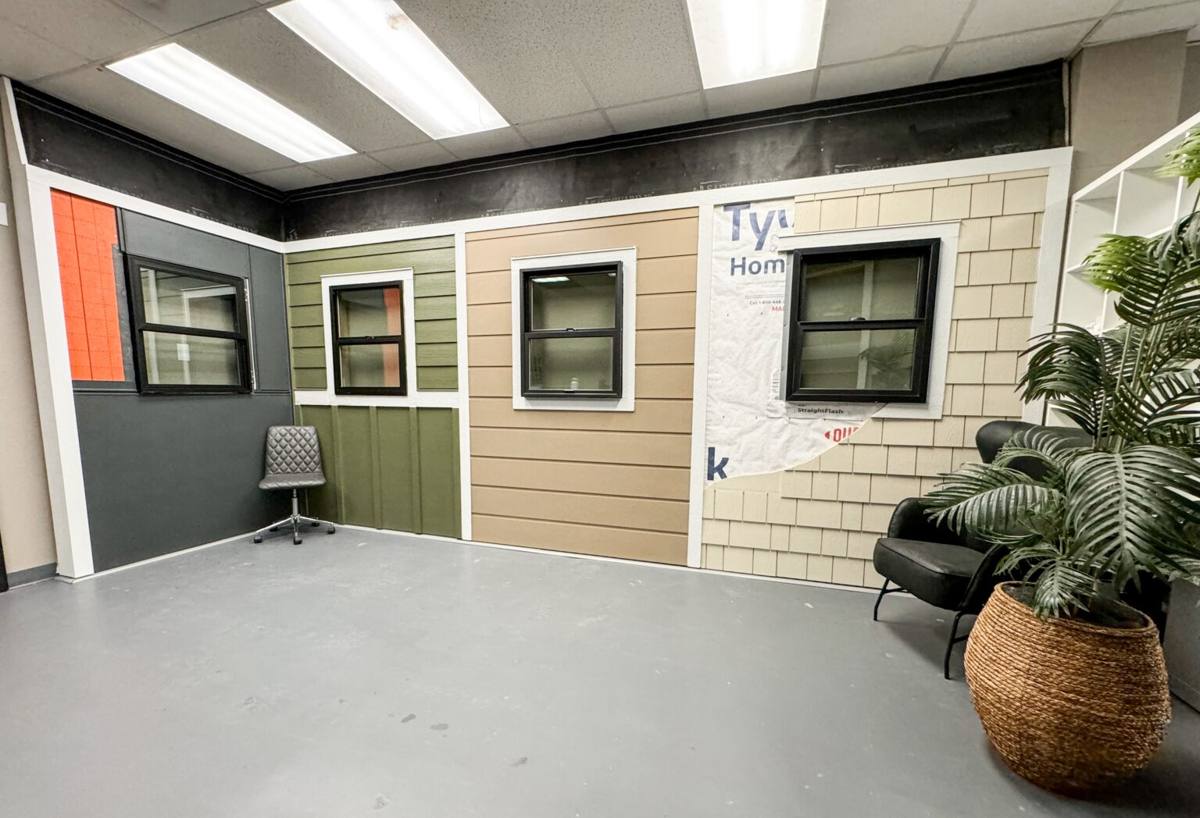
What Happy Valley's Climate Actually Does to a Window
Driving Rain and Wind-Driven Moisture
Standard window installs assume rain falls mostly straight down. In Happy Valley, wind pushes rain horizontally against west and south-facing walls for days at a stretch. Any window installed without proper head flashing, back-dammed sills, or sealed integration into the weather-resistive barrier will eventually take on water — usually slowly, through the frame corners and nailing fin, long before it shows up as a visible drip inside.
Salt Air and Metal Fatigue
Being close to the water means airborne salt settles on everything, including window hardware. Cheap fasteners, low-grade aluminum cladding, and unprotected steel components corrode faster here than the manufacturer's warranty literature usually assumes. Corroded hardware is one of the most common reasons a window that "looks fine" won't lock, latch, or seal properly anymore.
Moss and Prolonged Dampness
A long moss season means more than green shingles — it means sills, trim, and the wall assembly around a window stay damp longer between dry spells. Wood rot at the sill and jamb is the single most common structural issue we find when we pull old windows in this area. Moss and algae also hold moisture against exterior trim, which accelerates paint failure and hides rot until a window is probed or removed.
Signs a Happy Valley Home Needs Window Replacement
- Soft, spongy, or discolored wood at the sill or bottom corners of the frame
- Fogging or a permanent haze between double-pane glass (failed seal)
- Drafts you can feel even with the window fully latched
- Difficulty opening, closing, or locking — often from swollen wood or corroded hardware
- Visible gaps between the frame and siding, or cracked/missing exterior caulk
- Moss or dark staining on the trim directly below the window
- Condensation forming on the interior glass or frame during cold, wet stretches
- Noticeably higher heating bills compared to similar-sized homes nearby
What a Correct Installation Involves Here
Flashing and Water Management First
The window unit itself is only part of the job. In this climate, how the opening is flashed matters more than which brand sits in it. That means a sloped sill pan to shed any water that gets past the glass, self-adhered flashing tape integrated shingle-style with the house wrap, and a head flashing detail that directs water out and away from the top of the frame rather than letting it sit against the wall.
Sealant and Gap Treatment
We use exterior-grade sealants rated for sustained UV and moisture exposure, not general-purpose caulk that hardens and cracks within a season or two. Gaps between the frame and rough opening get insulated, not just caulked over — an air-sealed but uninsulated gap still transfers cold and can trap condensation inside the wall.
Frame Material Suited to the Exposure
Material choice changes based on which side of the house the window is on and how exposed it is to weather. A south- or west-facing window taking direct driving rain has different demands than a sheltered window on a covered porch wall, and we'll tell you honestly when a cheaper option is genuinely fine versus when it's a false economy.
Comparing Frame Materials for This Climate
| Material | Moisture Resistance | Maintenance | Typical Lifespan Here |
|---|---|---|---|
| Vinyl | Good — won't rot, but seams and welds matter | Low | 20-30 years |
| Fiberglass | Very good — dimensionally stable in wet/dry cycles | Low | 30-40+ years |
| Wood (clad exterior) | Good if cladding is intact; interior wood needs protection | Moderate | 25-35 years with upkeep |
| Aluminum | Poor in salt air unless marine-grade and well-finished | Moderate to high | Variable — corrosion-dependent |
We don't push a single product line as the answer for every home. We do steer away from unclad aluminum and budget-grade composite frames in this specific area, because their track record in salt-exposed, high-moisture settings is genuinely weaker — not because of any one brand's reputation, but because the material itself behaves poorly under this exposure over time.
Our Process for a Happy Valley Window Replacement
- On-site assessment — we check the condition of the existing frame, sill, and surrounding wall assembly, not just the glass, to catch rot or water intrusion before it's hidden behind a new install.
- Honest scoping — if we find rot or damaged sheathing, we tell you before work starts, not after demo when you have no choice but to say yes.
- Careful removal — old units come out without tearing more siding or trim than necessary, and we inspect the opening as we go.
- Flashing and sealing — sill pan, tape, and head flashing installed to shed water outward, matched to this area's wind-driven rain pattern.
- Window installation and shimming — set plumb, level, and square, with insulated gaps, not just caulked ones.
- Exterior finish work — trim, caulking, and paint or cladding matched to the surrounding wall so the new window doesn't stand out as an obvious patch.
- Final walkthrough — operation check on every window (open, close, lock) and a look at the finished exterior detail with you before we call it done.
Cost Factors Homeowners Should Know
Every home and opening is different, so we won't quote a number without seeing the job, but the price of a window replacement in this area is driven by a consistent set of factors:
| Factor | Why It Matters |
|---|---|
| Frame material and glass package | Fiberglass and upgraded low-E/argon glass cost more upfront but hold up longer against this climate |
| Existing rot or water damage | Sill and framing repair adds labor beyond the window itself — this is the most common surprise cost |
| Number and size of openings | Larger units and multi-window projects have per-unit efficiencies but higher total cost |
| Exterior finish complexity | Matching existing trim, siding, or a full re-wrap adds time compared to a straight swap |
| Access and exposure | Second-story or hard-to-reach windows on exposed elevations take longer to flash and finish properly |
Why Local Experience with Happy Valley Homes Matters
A crew that hasn't worked this area before will often install a window correctly on paper and still get it wrong for the climate — because the failure points here aren't obvious from a spec sheet. We've pulled enough old windows out of Happy Valley and greater Sudden Valley homes to know where builders commonly cut corners on flashing decades ago, which elevations take the worst of the driving rain, and how fast moss and damp trim turn into rot if a gap goes unsealed for even one wet season. That's knowledge you only get from doing the work here repeatedly, not from a general contractor's playbook written for a drier climate.
We also stand behind the installation itself, not just the window unit — because in Whatcom County's climate, a poorly flashed premium window will fail faster than a properly flashed mid-range one.
Maintaining New Windows in This Climate
- Rinse salt residue and grime off frames and glass a few times a year, especially after storms
- Keep gutters and downspouts clear so roof runoff doesn't sheet directly down over window heads
- Check exterior caulk lines annually and re-seal any cracking before the wet season sets in
- Trim back vegetation and moss growth near sills and trim to keep airflow and sunlight reaching the wood
- Operate each window (open/close/lock) a few times a year so hardware doesn't seize from disuse and moisture
If you're seeing drafts, fogged glass, soft trim, or just want an honest read on whether your current windows are holding up to Happy Valley's weather, we're glad to take a look. Fill out the form below for a free, no-pressure estimate — we'll tell you what we actually find, not just what sells a job.