 Sudden Valley Siding
 Roof Repair Built for Yew Street's Weather, Not a Generic Climate
Homes along Yew Street in Sudden Valley sit inside a specific weather pattern: damp air off Lake Whatcom, long stretches of low sun in the fall and winter, and rain that doesn't just fall straight down — it drives sideways into eaves, valleys, and anywhere a roof has a seam. That combination is different from what a roof deals with twenty miles away on the coast or twenty miles inland. A repair that holds up here has to account for moisture that lingers on north-facing slopes, moss that gets a running start every year, and flashing details that take a beating from wind-driven rain rather than just gravity.
We're not describing a hypothetical problem. It's the reason roof repair calls in this part of Whatcom County cluster around the same handful of failure points year after year — and why a crew that already works Yew Street can usually diagnose the real cause faster than a company seeing the neighborhood for the first time.
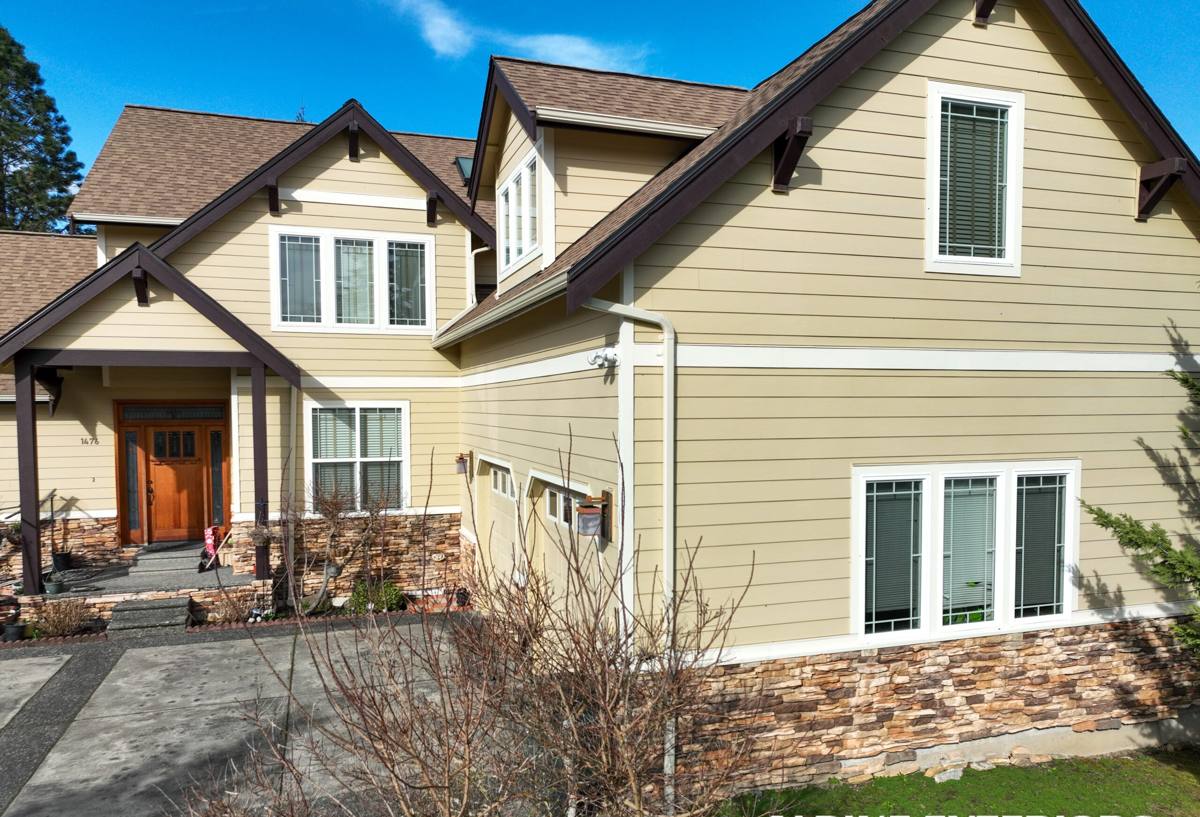
What Sudden Valley's Climate Actually Does to a Roof
Moss and Organic Growth
Whatcom County's wet season runs long, and Sudden Valley's tree cover — a big part of what makes the neighborhood attractive — also means shade, dropped needles, and slower drying times on north- and east-facing roof slopes. Moss doesn't just sit on top of shingles looking bad. It lifts shingle edges as it grows, holds water against the roofing material, and works its way into granule loss over time. Left unaddressed for a few seasons, moss growth turns from a cosmetic issue into a moisture-intrusion issue.
Driving Rain and Wind-Loaded Moisture
Rain that comes in at an angle finds its way under shingles, around vent boots, and into valleys in a way that straight-down rain doesn't. Roof systems here need properly lapped underlayment, correctly sealed flashing, and valleys that are built to shed water fast rather than let it pool. When we get called out for a leak that "just started," it's often a flashing or valley detail that's been marginal for a while and finally lost the fight during a windier storm.
Salt Air and Metal Fatigue
While Sudden Valley isn't beachfront, the broader Whatcom County air carries enough moisture and salt content off the Sound to accelerate corrosion on exposed metal — nail heads, flashing, vent caps, and gutter hardware. Untreated or lower-grade fasteners show rust streaks and eventually fail well before the shingles around them are due for replacement.
Temperature Swings and Material Fatigue
Whatcom County doesn't get extreme heat, but the daily swing between cool, damp mornings and afternoon sun causes roofing materials to expand and contract. Over years, that cycle stresses sealants and can loosen fasteners at stress points — ridge caps, pipe boots, and step flashing — long before the field of the roof shows any wear.
Signs a Yew Street Roof Needs Repair, Not Just Cleaning
- Dark streaking or moss patches concentrated on shaded slopes, especially where tree cover overhangs the roof
- Granules collecting in gutters or at downspout outlets — a sign shingles are wearing thin
- Soft or discolored ceiling patches, particularly near chimneys, skylights, or where two roof planes meet
- Curling, cracked, or missing shingles after a windstorm
- Rust staining running down from flashing, vent caps, or exposed nail heads
- Daylight visible through the roof deck from inside an attic space
- Gutters pulling away from the fascia or overflowing during moderate rain, which points to a drainage problem that stresses the roof edge
Any one of these on its own might be minor. Several at once, or any sign paired with an active interior leak, means it's time for a real inspection rather than a wait-and-see approach.
What a Correct Roof Repair Actually Involves
A roof repair done right isn't just swapping out a few visibly damaged shingles. It starts with figuring out why that section failed in the first place — otherwise the same spot leaks again in a year or two. Our process on a typical Yew Street repair call looks like this:
- Diagnose the actual water path. Interior stains rarely sit directly under the roof breach. We trace the leak back along rafters and decking to find where water is actually entering.
- Check the decking, not just the shingles. If plywood or OSB sheathing has been wet for a while, it can be soft or delaminating. Patching shingles over compromised decking doesn't hold.
- Address flashing and valleys first. Most of the leaks we trace back to a cause, not just a symptom, come from flashing around chimneys, skylights, and wall intersections, or from valleys that were never properly woven or sealed.
- Match materials correctly. Mismatched shingle types, exposures, or granule colors on a repair stand out and can also behave differently in wind and rain than the surrounding roof.
- Clear and treat moss before closing up the repair. Sealing a repair over active moss growth just traps the problem under new material.
- Reseal and inspect fasteners. Any nail heads or flashing exposed during the repair get checked for corrosion and resealed properly, not just caulked over.
Repair, Partial Re-Roof, or Full Replacement?
Not every roof problem calls for the same scope of work. Part of an honest assessment is telling a homeowner when a targeted repair will genuinely hold, and when it's a short-term fix on a roof that's better served by a larger scope.
| Situation | Typical Fix | What to Expect |
|---|---|---|
| Isolated leak, roof under 12-15 years old, sound decking | Targeted repair | Fast turnaround, matched materials, usually the right call |
| Multiple leak points across different slopes | Partial re-roof of affected sections | Addresses underlying wear rather than chasing individual leaks |
| Widespread granule loss, roof near or past expected lifespan | Full replacement | Repairs become short-term patches on a roof that's aging out |
| Soft or rotted decking discovered during repair | Deck replacement plus repair or re-roof | Scope grows once the deck is opened up; we'll show you before proceeding |
We'll always walk a homeowner through which category their roof falls into and why — including when a smaller repair is genuinely the right answer, not just the cheaper one to sell.
Why a Crew That Already Works Yew Street Matters
Roof repair is local knowledge as much as it's a trade skill. A crew that regularly works Sudden Valley knows which slopes in this neighborhood tend to hold moss longest, how tree canopy affects drying time on specific lot orientations, and which flashing details tend to be original-builder shortcuts versus proper installs. That background means less time spent diagnosing from scratch and a repair plan that accounts for how this specific microclimate treats a roof over years, not just what's visible on the day of the estimate.
It also means we're not guessing at permit or code expectations for Whatcom County work, and we're set up to get back to a Yew Street job quickly if something needs a follow-up look after the next storm — without a long drive eating into response time.
Maintenance That Extends the Life of a Repair
- Keep gutters and downspouts clear, especially going into fall when leaf and needle drop is heaviest
- Trim back branches that overhang the roofline to cut down on shade, debris, and moss-friendly conditions
- Schedule moss treatment on a regular cycle rather than only after growth is visible from the ground
- Have flashing and sealant points checked every couple of years, since these fail well before shingles do
- Address small leaks immediately — a stain the size of a dinner plate today can mean saturated decking within a season if ignored
What We Won't Do
We don't recommend patch-over-patch repairs on decking we can't verify is sound, and we won't seal moss or organic growth under new material just to close a job faster. Both create bigger problems that show up as a "surprise" leak a year or two later. If a repair isn't going to hold given what we find once the roof is opened up, we'll say so and explain the honest options rather than promise a quick fix that won't last through the next wet season.
Get a Straight Answer About Your Roof
If you're dealing with a leak, visible moss buildup, or storm damage on a Yew Street roof, we're glad to take a look and give you a clear, honest read on what's actually going on — no pressure, no upsell script. Request a free estimate using the form below and we'll get back to you to schedule a time to inspect the roof in person.