 Sudden Valley Siding
 Deck Replacement for Happy Valley Homes
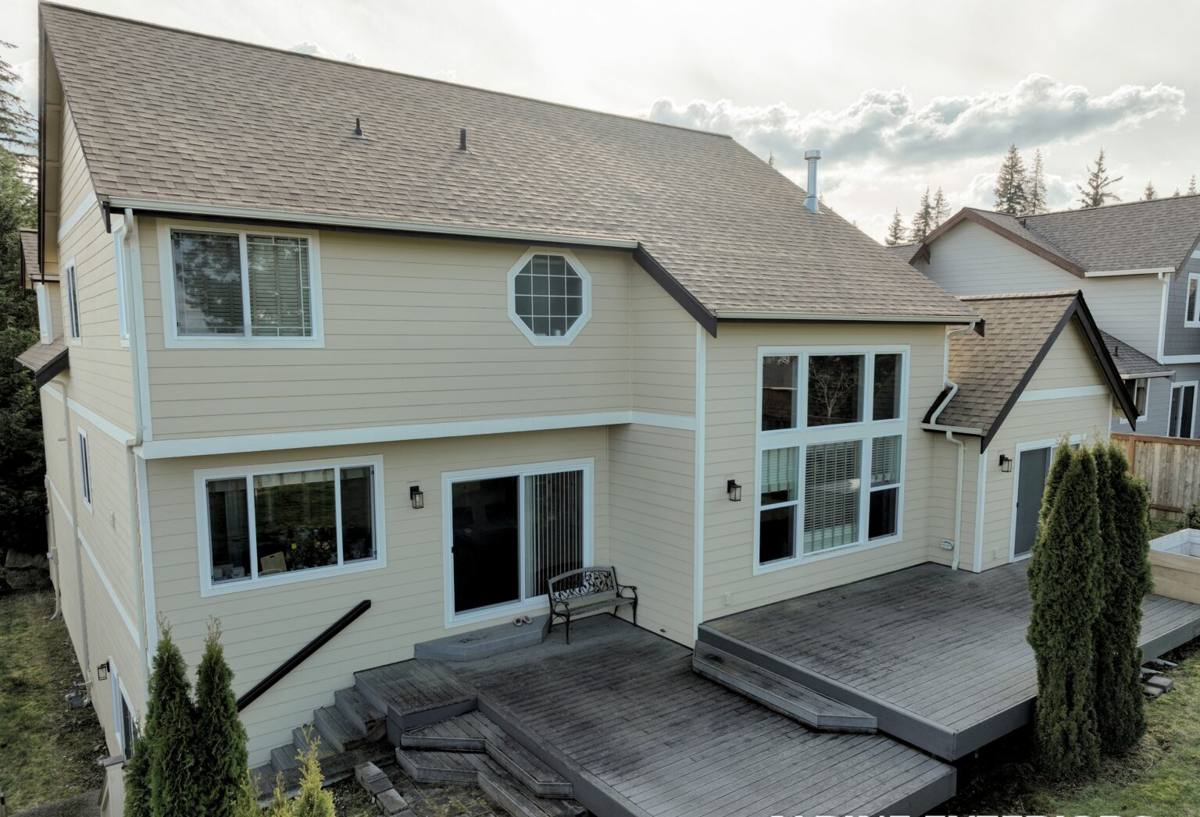
Happy Valley sits close enough to the rest of the Sudden Valley community that it shares the same weather problems, the same tree cover, and often the same builders — which means the same decks, aging out on the same schedule. If your deck was built when the house went up, there's a good chance it's original lumber, original fasteners, and original footings that were never designed to handle four or five decades of Whatcom County winters. We replace decks in this neighborhood regularly, and the failure patterns we find are consistent enough that we can usually tell what's wrong with a deck from the driveway before we ever pull a board.
This page is specifically about deck replacement — not staining, not a few swapped boards, but a full or near-full rebuild when the structure or decking has aged past the point where repair makes sense. If you're not sure which category your deck falls into, that's a normal question, and it's the first thing we sort out on a site visit.
Why Decks in This Area Wear Out the Way They Do
Three things drive deck failure here, and they compound each other:
Moss and Shade
Tree cover around Sudden Valley keeps a lot of decks in partial shade for much of the year, and shaded wood doesn't dry out between rains the way a full-sun deck would. Moss and algae take hold on the decking surface and, more importantly, in the gaps between boards where debris collects. That trapped moisture is what actually rots wood — not the rain itself, but the rain that never gets a chance to leave.
Driving Rain
Whatcom County doesn't just get steady drizzle; it gets wind-driven rain that pushes water sideways into ledger connections, under flashing, and into any gap where end grain is exposed. Ledger boards — where the deck attaches to the house — are one of the most common failure points we find, because that's exactly where sideways-driven water likes to collect if the flashing detail was ever done wrong or left out entirely.
Salt Air
The region's marine air accelerates corrosion on any metal that isn't rated for it — nails, joist hangers, structural screws. A deck can look structurally sound from the top while the fasteners holding the frame together are quietly losing their grip underneath. This is one of the reasons a deck can seem "fine" right up until it isn't.
Repair or Replace? How We Tell the Difference
Not every tired-looking deck needs a full replacement, and we won't sell you one if repair is the honest answer. The distinction usually comes down to the framing, not the decking boards.
- Surface wear only — decking is graying, has minor splinters, or has a few soft boards, but joists and beams probe solid: repair or board replacement is usually enough.
- Soft or spongy spots underfoot in multiple areas, especially near the ledger or stair stringers: usually a sign the framing has moisture damage and replacement is the safer call.
- Rust staining or visible corrosion at joist hangers and fastener heads: a red flag for the whole fastener system, not just the piece you can see.
- Railing that flexes or posts that wiggle: often points to rotted post bases below deck level, which is a structural issue, not cosmetic.
- Deck was built without permits or to old code: even if the wood is holding up, undersized footings or missing structural connectors are a liability worth correcting during a replacement rather than leaving in place.
What a Correct Deck Replacement Actually Involves
A deck replacement done right is a structural project, not a cosmetic one. The parts nobody sees are what determine whether the new deck lasts 10 years or 30.
Footings and Posts
We check footing depth and condition before assuming the existing ones can be reused. In this soil and climate, footings that were poured shallow or without proper drainage are a common source of long-term settling and post rot.
Ledger Attachment and Flashing
This is the single most important detail on any deck attached to a house. Proper flashing — installed so water sheds outward and away from the house band board, not trapped behind it — is non-negotiable. A deck can have beautiful decking and still rot the house's siding and framing behind a poorly flashed ledger.
Framing and Fasteners
We use structural connectors and fasteners rated for coastal/marine exposure. This costs more upfront than standard hardware, but standard hardware is exactly what corrodes early in salt-air conditions and is the reason so many "20-year-old" decks are structurally failing at year 12.
Decking Material
The board choice matters less than most homeowners expect — the framing underneath is what actually fails first. That said, the decking surface is what you'll maintain (or not) for the life of the deck, so it's worth choosing deliberately.
Decking Material Comparison
| Material | Upfront Cost | Moisture Behavior Here | Maintenance |
|---|---|---|---|
| Pressure-treated wood | Lowest | Needs sealing regularly; end grain and gaps are moss-prone in shade | Annual cleaning and periodic re-sealing |
| Cedar | Moderate | Naturally rot-resistant but still needs upkeep in constant shade/moisture | Periodic oiling or sealing to hold appearance |
| Composite decking | Higher | Doesn't absorb water like wood; can still grow surface algae/moss if never cleaned | Low — occasional washing |
| PVC/capped composite | Highest | Best moisture resistance of the group; least affected by driving rain and shade | Lowest — washing only |
We install all of these depending on the homeowner's budget and priorities. Our standard is being straight about the trade-offs: wood costs less to install but more in ongoing maintenance and shorter life in shaded, damp yards; composite and PVC cost more upfront but hold up better against exactly the conditions that wear decks out fastest around here.
Our Process for a Happy Valley Deck Replacement
- On-site evaluation. We inspect the existing structure — footings, ledger, framing, and decking — and tell you honestly whether you need a replacement or a repair.
- Written estimate. Scope, material options, and cost broken down clearly, with no vague allowances.
- Permitting. Deck replacements of most sizes require a permit in Whatcom County jurisdictions; we handle that process rather than leaving it on you.
- Tear-out. Old decking and, where needed, old framing are removed and hauled off.
- Structural rebuild. Footings, posts, beams, joists, ledger, and flashing are installed or corrected to current code.
- Decking and railing installation. Your chosen material is installed with attention to drainage gaps and airflow underneath, which matters more in a shaded, wet climate than in a dry one.
- Final walkthrough. We go over the finished deck with you and explain what maintenance, if any, it needs going forward.
Why a Crew That Already Works This Neighborhood Matters
Deck replacement isn't a specialty product install — it's a structural job where local conditions change the right answer. A crew that works Sudden Valley and Happy Valley regularly already knows which lots hold more moisture under the canopy, which older decks in the area were built to a code that's since been tightened, and which fastener and flashing details actually hold up here versus in a drier part of the state. That local pattern recognition shortens the evaluation, avoids surprises mid-project, and means the crew showing up at your house has already solved the problems your deck is likely to have.
It also means we're not guessing at permitting requirements or inspection expectations for this area — we've been through that process here before.
After Your New Deck Is Built
- Sweep debris out of decking gaps each fall before the wet season settles in — trapped leaves are the fastest route to moss and rot.
- Keep gutters and downspouts near the deck clear so runoff isn't dumping extra water onto or under it.
- Check railing posts and stair connections yearly for movement — catching a loose connection early is a small fix; ignoring it isn't.
- If you chose wood, stay on the sealing schedule your material calls for rather than waiting until it visibly grays.
- For composite or PVC, an occasional wash is really the whole job — don't let algae film build up in shaded corners.
Get a Straight Answer on Your Deck
If your deck is showing soft spots, rust stains, moss buildup, or just isn't something you trust anymore, it's worth a look before another wet season goes by. We'll give you an honest read on whether it needs full replacement or just targeted repair, with no pressure either way. Use the form below to request a free estimate for your Happy Valley home.