 Sudden Valley Siding
 Custom Windows Built for Happy Valley's Climate
Happy Valley homes sit in a stretch of Whatcom County where the weather doesn't do anything by halves. Winters bring driving rain off the water for weeks at a stretch, summers bring salt-laden air that works on metal and finishes year-round, and the shaded, damp pockets common to this part of the county keep moss and mildew active longer than almost anywhere else in the state. Stock windows and generic replacement work don't hold up well under those conditions. Custom windows — sized, sealed, and detailed for the actual opening and the actual exposure — do.
This page is about one thing: custom window installation and replacement for homes in Happy Valley specifically, not a general overview of window products. If you're weighing whether to repair, replace, or upgrade the windows on your home, here's what actually matters given where you live.
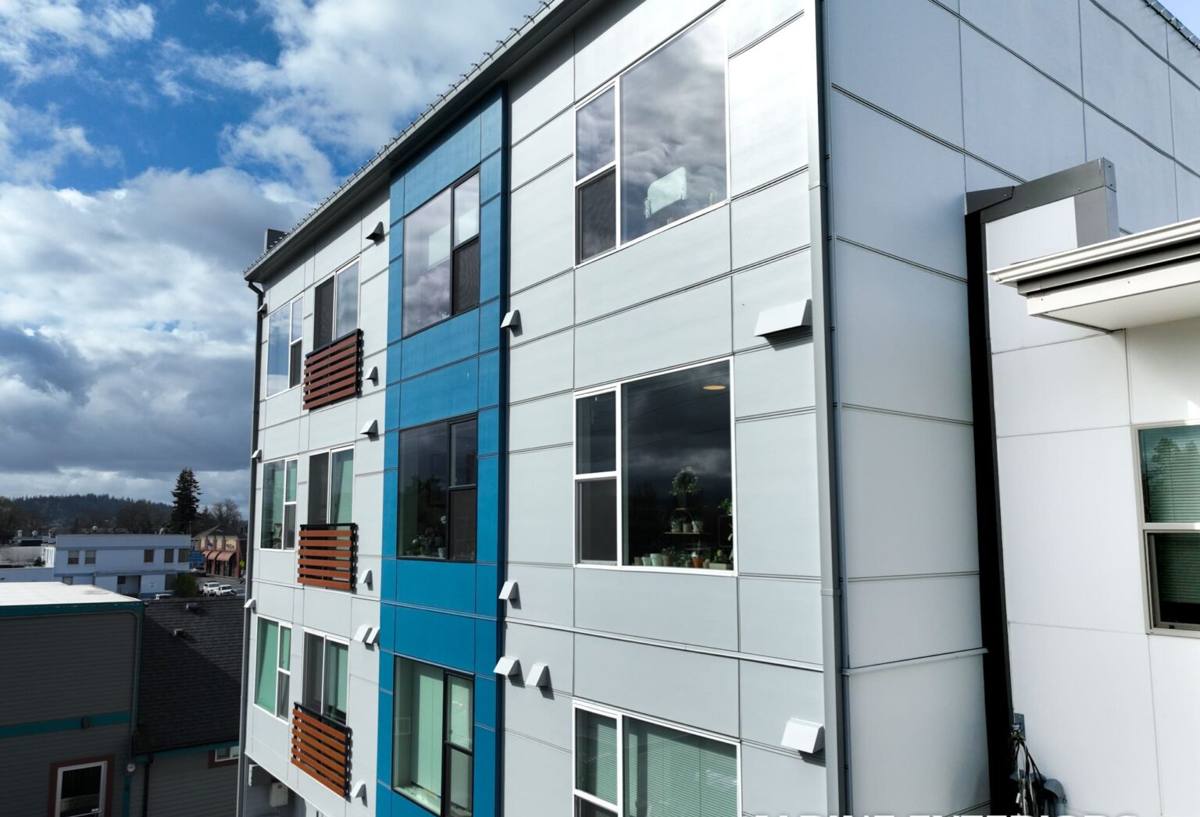
What Salt Air, Rain, and Moss Actually Do to Windows
Salt Air and Corrosion
Salt-laden air accelerates corrosion on window hardware — hinges, cranks, balance systems, and especially aluminum components that aren't properly coated. It also breaks down cheap vinyl and finish coatings faster than a drier inland climate would. Homes closer to open water or exposed ridgelines around Whatcom County see this first, but it affects every home in the area to some degree, just on a longer timeline.
Driving Rain and Water Intrusion
Wind-driven rain doesn't just fall on a window, it pushes sideways into it. Any gap in the flashing, any shortcut in the sealant work, any window that was installed square but not weathertight will eventually let water behind the frame. Once water gets behind a window into the wall cavity, it can travel and cause rot far from the point of entry — which is why so many "hidden" water problems in this area actually started at a window years earlier.
Moss Season and Hidden Moisture
Whatcom County's long moss season means extended stretches of shade, dampness, and slow-drying surfaces, especially on north-facing walls and anywhere trees overhang the roofline. Moss and algae don't just grow on roofs and siding — they take hold in window sills, tracks, and corners that don't get sun or airflow. Left alone, that trapped moisture softens wood trim, stains vinyl, and gives mildew a permanent foothold around the window opening.
Choosing the Right Frame Material for This Climate
Frame material matters more here than in a drier climate, because it's constantly dealing with moisture cycling — wet, dry, wet again. There's no single "best" choice for every home; it depends on your budget, your home's exposure, and how much upkeep you're willing to do.
| Frame Material | How It Handles This Climate | Maintenance | Typical Trade-Off |
|---|---|---|---|
| Vinyl | Won't corrode or rot; handles moisture cycling well | Low — occasional cleaning | Fewer color/finish options; can look budget-grade if low quality |
| Fiberglass | Very stable in wet/dry cycling; resists warping | Low | Higher upfront cost than vinyl |
| Aluminum | Strong but conducts cold and can corrode without quality coatings | Moderate — hardware needs attention | Prone to condensation on interior frame in winter |
| Wood-clad | Attractive, but cladding seams are a moisture risk point if not detailed correctly | Higher — finish and seals need periodic checks | Best appearance, most installation-sensitive |
Our standard for Happy Valley homes leans toward vinyl or fiberglass for most replacement work, because both shrug off the wet-dry cycling and salt exposure with the least long-term maintenance. Wood-clad windows can absolutely work here, but only when the cladding seams and end grain are sealed correctly at installation — it's a product that punishes shortcuts, not a product that's inherently unsuitable.
What a Correct Custom Window Installation Actually Involves
Sill Pan and Flashing Integration
Every custom window we install gets a sloped sill pan and flashing that ties into the existing weather-resistive barrier — not just caulk around the edges. This is the single most important detail for a home taking driving rain: it gives any water that does get past the window a way out, instead of a place to collect.
Sealing and Insulation
Gaps around the rough opening get filled with proper low-expansion foam or backer rod and sealant, not just stuffed with fiberglass insulation. Poorly sealed gaps are a common source of drafts, condensation, and — eventually — hidden moisture damage in older Whatcom County homes.
Custom Fit and Fabrication
"Custom" means the window is built or ordered to the actual opening, not forced into a standard size with extra trim to hide the gap. Older homes and additions in this area often have openings that are slightly out of square or a nonstandard size, and a true custom window accounts for that instead of compromising the seal to make a stock size fit.
Signs Your Happy Valley Home Needs Custom Windows
- Visible moss, algae, or dark staining in the corners of window sills or tracks
- Soft or discolored wood trim around the window frame
- Condensation forming between the panes (a sign the seal has failed)
- Windows that are difficult to open, close, or lock — often a sign of frame warping
- Noticeable drafts or a cold spot near the window even when it's closed
- Peeling paint or bubbling finish on the interior sill or exterior trim
- Visible gaps between the frame and the siding or trim
- Rising heating bills without another clear explanation
Any one of these on its own might just need a repair. Several of them together, especially on a home more than 15-20 years old, usually means it's time to talk about replacement before the underlying framing takes damage.
Our Process, Start to Finish
- On-site assessment — we look at each window opening individually, not just the house as a whole, since exposure and condition can vary wall to wall.
- Measurement and material selection — we measure for a true custom fit and walk you through frame material and glass options based on that specific opening's exposure.
- Fabrication or ordering — custom windows are built to spec, which takes longer than grabbing a stock size off a shelf, and we'll give you a realistic timeline up front.
- Careful removal of the old window — including an inspection of the framing underneath for rot or moisture damage before anything new goes in.
- Installation with proper flashing and sealing — sill pan, flashing integration with the siding, and sealed rough opening, every time.
- Final check and cleanup — we confirm the window operates correctly, check the seal, and leave the site clean.
Energy Performance in a Maritime Climate
Whatcom County's climate isn't extreme cold, but it is persistently damp and mild, which changes what matters for energy performance. A low U-factor (how well the window resists heat transfer) matters more here than a very low solar heat gain coefficient, since this area doesn't get intense direct sun for most of the year. Double-pane windows with a quality low-E coating are adequate for most homes; triple-pane is worth the added cost mainly for homes with a lot of west or water-facing glass, or for owners who want the extra sound dampening near a busy road or open water.
Condensation resistance is often more important day-to-day than the headline energy rating. A window that fogs or sweats on the interior in winter isn't just an eyesore — it's a sign moisture is sitting somewhere it shouldn't, which matters a lot given how long the damp season runs here.
Why a Crew That Already Works Happy Valley Matters
Window installation looks similar on paper everywhere, but the details that matter change with the climate and the housing stock. A crew that regularly works Happy Valley and the surrounding Sudden Valley area already knows the kinds of framing, siding tie-ins, and moisture patterns common to homes here — which openings tend to be slightly out of square, which wall orientations take the worst of the driving rain, and where moss and shade cause problems that a homeowner in a drier part of the state would never think to check.
That familiarity shows up in small decisions during the job: how the flashing gets lapped with the existing siding, whether a sill needs extra pitch, whether the old framing needs to dry out before new material goes in. Those are the details that decide whether a window installation lasts five years or twenty-five.
If your windows are showing their age, letting in drafts, or just weren't installed correctly the first time, we're happy to take a look and give you a straight answer about what's actually needed. Reach out for a free, no-pressure estimate using the form below.