 Sudden Valley Siding
 Windows Built for the Deming Stretch of Whatcom County
Deming sits up the Nooksack River corridor, tucked against the foothills on the way to Mount Baker — a different exposure than lakeside Sudden Valley, but the same wet, marine-influenced weather system governs both. Whatcom County's driving rain doesn't fall straight down here; wind off the valley pushes it sideways into west- and south-facing glass for months at a time. Add in a long, shaded moss season under the fir and cedar cover common on Deming lots, and older window frames take a beating that homeowners in drier climates never have to think about.
Energy-efficient windows are marketed everywhere with the same glossy claims. What actually matters for a Deming home is narrower: can the frame and glazing shed constant moisture without trapping it, hold a seal through repeated wet-cold-dry cycles, and cut the draft and heat loss that a rural valley home feels more than a tightly-clustered subdivision. That's the standard we install to, not just a label on the glass.
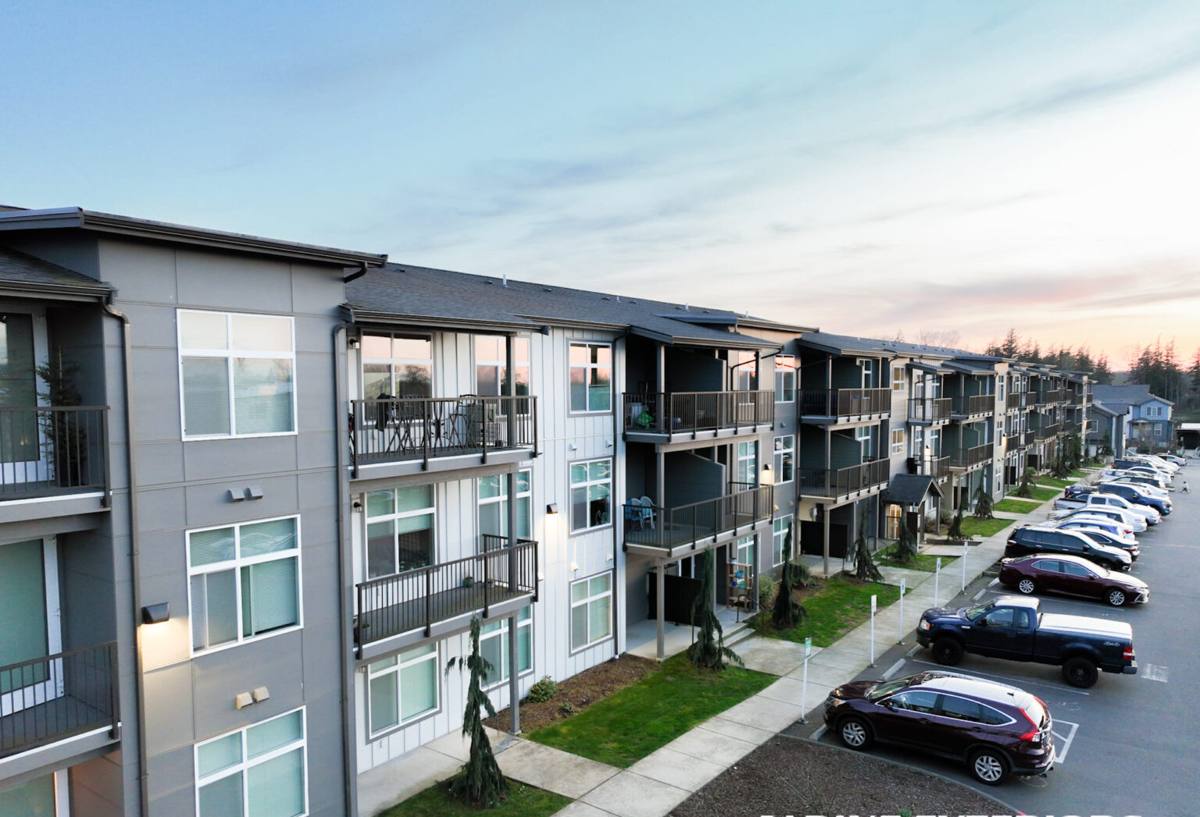
What "Energy-Efficient" Should Mean Here — Not Just on the Sticker
Every new window comes with an NFRC label listing U-factor and Solar Heat Gain Coefficient (SHGC). Those numbers matter, but in this climate they only tell half the story.
- U-factor — how much heat escapes through the window. Lower is better for Whatcom County's cool, damp winters. Look for 0.30 or lower on the whole-unit rating, not just the center-of-glass number some brochures lead with.
- SHGC — how much solar heat passes through. Deming gets more direct summer sun through the trees than a lake-facing Sudden Valley home might, so a moderate SHGC (roughly 0.25–0.35) balances winter gain against summer overheating in south-facing rooms.
- Air leakage rating — often skipped over, but it's the number most tied to comfort. A window can have a great U-factor and still whistle and draft if the sash and frame tolerances are sloppy.
- Argon or krypton gas fill and low-E coating — standard on any legitimate energy-efficient unit today. If a quote doesn't specify these, ask.
None of these numbers mean much if the installation lets water behind the frame. We'll get to that.
Signs Your Current Windows Are Losing the Fight
Most Deming homeowners don't replace windows because they woke up wanting new ones — they replace them because something started failing. Common patterns we see on service calls in this area:
- Fogging or a permanent haze between the panes — the seal has failed and the gas fill is gone. No amount of cleaning fixes this; it's a broken unit.
- Soft or discolored wood trim around the frame, especially on the north or shaded side of the house where moss and algae hold moisture against the surface longer.
- A cold draft you can feel standing near the glass on a still day — not just during a windstorm.
- Visible daylight or a gap you can slide a piece of paper through where the sash meets the frame.
- Older single-pane aluminum-frame windows, still common in Whatcom County homes built before the 1990s — these conduct cold directly into the frame and often account for a noticeable chunk of a winter heating bill.
Any one of these is worth a look. Several together usually means the window's service life is behind it, not ahead of it.
Frame Material: What Holds Up to Constant Wet Weather
The frame matters as much as the glass package in a climate where the window sits wet more often than it sits dry. Here's how the common options compare for a Deming installation:
| Frame Material | Moisture Handling | Maintenance | Typical Fit for This Area |
|---|---|---|---|
| Vinyl | Won't rot or corrode; seams are the weak point if not welded well | Low — occasional cleaning | Solid, cost-effective default for most Deming homes |
| Fiberglass | Excellent — dimensionally stable through wet/dry and hot/cold swings | Low | Best long-term option where budget allows, especially on more exposed elevations |
| Wood-clad | Good if the cladding is intact; interior wood needs protection from condensation | Moderate to high | Fine for homeowners who want a wood interior look and will stay on top of upkeep |
| Aluminum (uninsulated) | Conducts cold and can condense/sweat heavily indoors | Low, but performance issues remain regardless | Not something we recommend replacing into in this climate |
We don't push one brand or material on every job — a fiberglass frame on a rain-exposed west wall and a vinyl frame on a sheltered, tree-shaded window can both be the right call on the same house. What we won't do is install a product whose maintenance burden or moisture behavior sets a homeowner up for the same failure in ten years.
Why Installation Quality Matters More Than the Window Brand
A well-rated window installed poorly will leak, draft, and fail its seal early. This is the part of the job that determines whether "energy-efficient" holds up through a real Deming winter. A correct install includes:
- Removing old flashing and building paper around the opening rather than sealing over it
- Installing a proper sill pan so any water that does get past the exterior sealant drains back out instead of pooling in the framing
- Integrating new flashing tape with the home's existing water-resistive barrier, lapped correctly — this is where DIY and low-bid installs most often fail
- Shimming the unit square and plumb before fastening, so the sash operates smoothly and the seal compresses evenly
- Insulating the gap between frame and rough opening with low-expansion foam, not stuffed fiberglass that leaves voids
- Sealing and finishing the exterior trim so the whole assembly sheds water rather than catching it
This is also where our siding background helps rather than being incidental to it. Window openings and siding water management are the same system — if the flashing sequence between the two is wrong, you get hidden rot no matter how good the window itself is.
Our Process, Start to Finish
- On-site assessment — we look at each opening individually, not just count windows. Sun exposure, shade, wind direction, and existing damage all factor into the recommendation.
- Measurement and product selection — exact sizing plus a frame and glass package matched to that specific opening's exposure.
- Written estimate — itemized by window, so you can see what you're paying for rather than one lump number.
- Careful removal — old units come out without unnecessary damage to surrounding siding or trim.
- Inspection of the opening — any soft framing, old rot, or failed flashing gets flagged and addressed before the new window goes in, not covered up.
- Installation — flashing, sill pan, shimming, insulation, and sealing done to the standard above.
- Interior and exterior finish — trim, caulking, and cleanup so the job looks finished, not patched.
- Final walkthrough — we test operation and check the seal with you before calling it done.
What Affects the Cost of a Deming Window Job
Every home is different, so exact numbers depend on the walkthrough, but the main cost drivers are consistent:
| Factor | Why It Matters |
|---|---|
| Frame material | Vinyl, fiberglass, and wood-clad carry different material costs and labor requirements |
| Number and size of openings | Larger or custom-sized units cost more to fabricate and install |
| Condition of the existing opening | Hidden rot or old flashing failures found during tear-out add repair time |
| Access and elevation | Second-story or hard-to-reach windows take longer and may need staging |
| Glass package | Upgraded low-E coatings, gas fills, or triple-pane glass raise the per-unit price |
| Whether siding work is bundled in | Combining window replacement with a siding project on the same wall can save on setup and trim work |
We'll walk through which of these apply to your home during the estimate — no pressure to upgrade past what actually makes sense for a given wall or budget.
Why a Crew That Already Works This Area Is Worth It
A contractor who mainly works closer-in Bellingham neighborhoods doesn't automatically know how differently a Deming property behaves — the tree cover, the valley wind patterns, the older well and septic-era home styles still common up here, or how much longer moss and moisture sit on a shaded north wall than they would on an open lot. Working Sudden Valley and the surrounding Whatcom County communities regularly means we're not guessing at how the local climate treats a window opening over time — we're seeing the results of past installs, good and bad, on homes like yours.
It also means scheduling around this area's weather realities instead of fighting them — timing tear-outs and installs for drier windows where possible, and knowing how long a given opening can safely sit open during a wet stretch.
Protecting the Investment After Install
New windows still need basic upkeep to hit their expected lifespan, especially under a long wet season:
- Clean debris and moss spores out of tracks and weep holes each fall before the rain settles in
- Check exterior caulking annually and re-seal any cracked or separated joints before winter
- Keep nearby gutters clear so overflow doesn't splash directly onto window heads
- Trim back branches or vegetation holding moisture against a wall near a window
- Address interior condensation early — persistent fogging on the inside of the glass can point to a ventilation issue, not a window defect
If you're weighing whether it's time to replace windows on a Deming home, we're glad to take a look and give you a straight answer — including telling you if a repair or better maintenance routine would do the job instead of a full replacement. Reach out for a free, no-pressure estimate using the form below.