 Sudden Valley Siding
 Why Edgemoor's Climate Is Hard on Siding
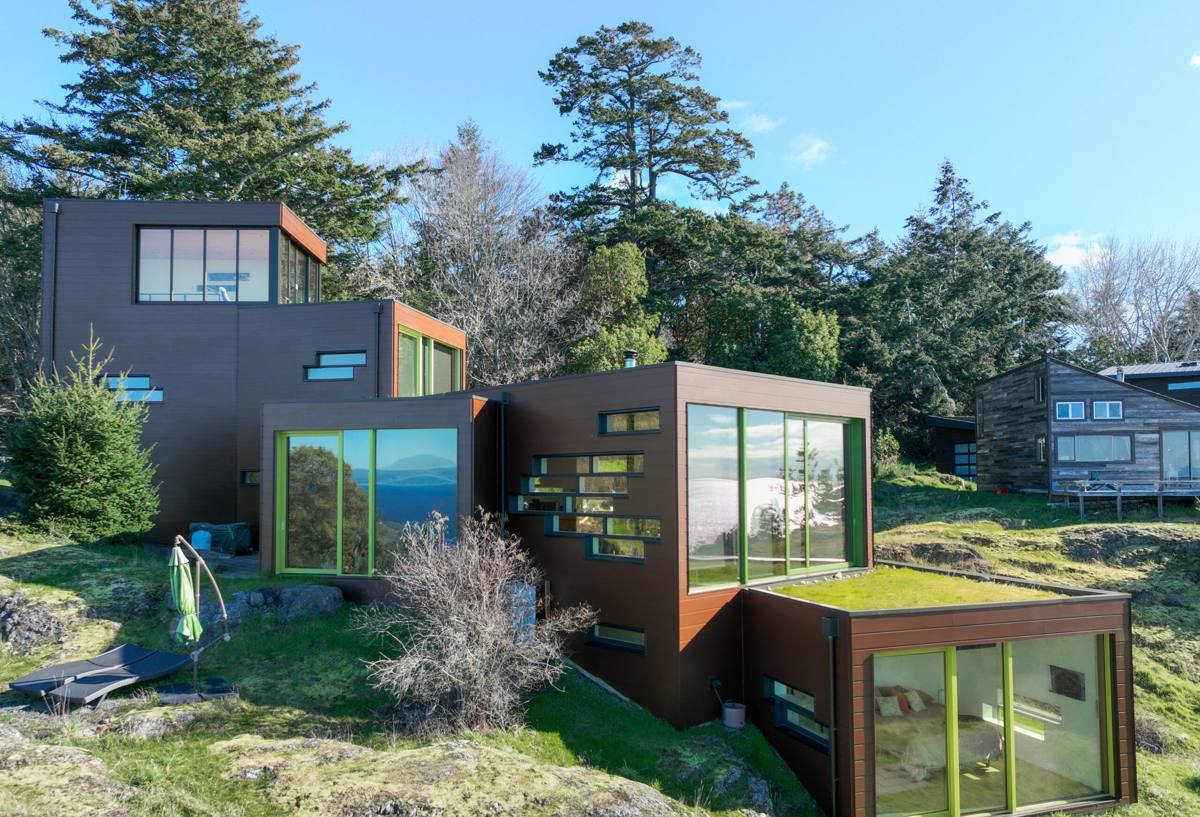
Homes in and around Edgemoor deal with a combination of weather stresses that most siding products were never designed to handle all at once. Proximity to open water means salt-laden air moves through the neighborhood on a regular basis, and salt is corrosive to fasteners, coatings, and any material that relies on paint film alone to keep moisture out. Layer on top of that the driving, wind-blown rain that comes through Whatcom County for a good part of the year, and you have water being pushed sideways into seams, laps, and trim joints rather than simply running down the wall. Then there's the shade and dampness that so many lots here have from mature tree cover, which keeps humidity high against the wall assembly long after a storm has passed and gives moss and algae exactly the conditions they need to take hold.
None of these factors is unusual on its own. What makes Edgemoor demanding is that a home's siding has to stand up to all three at the same time, year after year, without the benefit of long dry stretches to fully dry out in between. That's the standard we install to on every job in this neighborhood.
What Siding Actually Needs to Do Here
Resist Moisture Without Trapping It
The siding itself is only half the equation. A wall assembly that manages water well needs a properly lapped water-resistive barrier behind the siding, correctly flashed openings, and a drainage plane that lets any moisture that gets past the cladding find its way back out rather than sitting against the sheathing. Fiber cement handles this reasonably well because it doesn't absorb water the way wood does, but the installation details around it matter just as much as the board itself.
Hold a Factory Finish Under Salt and UV Exposure
Field-applied paint is the weak point on most siding jobs in this area. Salt air accelerates the breakdown of standard paint films, and once a coating starts to chalk or crack, water gets behind it and the clock starts on rot, delamination, or coating failure. A factory-baked finish that's engineered to resist fading and salt exposure holds up far longer than anything applied on-site with a brush or sprayer.
Resist Moss and Algae Growth Without Constant Cleaning
In a shaded, damp climate, some biological growth on any exterior surface is close to inevitable over time. The goal isn't a siding that never sees a spot of moss — it's a material and finish that doesn't feed that growth, doesn't stain permanently when it's cleaned off, and doesn't degrade from the periodic soft-washing that Edgemoor homes typically need.
Why We Install James Hardie and Nothing Else
We made a decision as a company to install only James Hardie fiber cement siding, and we turn down jobs where a homeowner specifically wants vinyl, LP SmartSide, primed wood, or an off-brand fiber cement product. That's not a marketing position — it's because we've seen how each of those materials actually performs in this specific climate over the long run, and we'd rather be honest about the trade-offs up front than install something we don't stand behind.
Vinyl is inexpensive and low-maintenance in dry, moderate climates, but it can warp under temperature swings, its seams and butt joints give wind-driven rain more opportunities to get behind the wall, and it's a poor fit for a home that's meant to last decades in a wet coastal climate. LP SmartSide is an engineered wood product, and like any wood-based siding, its long-term performance depends heavily on edge sealing and maintenance discipline — miss a spot during a repaint cycle in a climate this damp, and moisture finds its way in. Primed cedar and spruce are attractive but demand the most upkeep of all: regular repainting, careful caulking, and vigilance against rot, especially on a shaded, humid lot.
James Hardie fiber cement is non-combustible, doesn't expand and contract with moisture the way wood-based products do, and comes from the factory with a ColorPlus finish that's baked on and warranted separately from the substrate. It's engineered in specific formulations for different climate zones, including the wetter, milder zone that covers the Pacific Northwest, which means the board itself is manufactured with this kind of weather in mind rather than adapted to it after the fact.
Hardie Product Lines: What Actually Fits Edgemoor
| Product | Best Use | Why It Works Here |
|---|---|---|
| HardiePlank Lap Siding | Full wall replacement, most common choice | Clean, traditional look; factory finish holds up to salt air and driving rain better than field-painted alternatives |
| HardieShingle | Accent gables, dormers, or full shingle-style homes | Staggered or straight-edge profiles that resist the moisture wicking that real wood shingles are prone to in shaded, damp spots |
| HardiePanel | Modern vertical siding, garages, accent walls | Fewer horizontal laps means fewer places for wind-driven rain to catch |
| HardieTrim | Corner boards, window and door trim, fascia | Matches the siding's moisture resistance so trim doesn't become the weak point in an otherwise solid installation |
Most Edgemoor homes end up on a mix of HardiePlank for the main field with HardieTrim around openings and corners, and HardieShingle or HardiePanel reserved for accent areas where the homeowner wants a different texture. We'll walk through what fits your home's architecture and exposure during the estimate rather than defaulting to one product for every job.
What a Correct Installation Actually Involves
Fiber cement siding is only as good as the installation behind it. A rushed or generic install can leave a home just as vulnerable to moisture problems as an inferior material would, regardless of how good the board itself is. On every job we do in this area, the process includes:
- Full tear-off and inspection of the existing wall sheathing for hidden rot or moisture damage before anything new goes up
- A correctly lapped water-resistive barrier, installed shingle-style so water is always directed outward and down
- Proper flashing at every window, door, and roof-to-wall intersection, not just caulk standing in for flashing
- Manufacturer-specified fastener spacing and type, accounting for salt-air corrosion resistance
- Correct clearance between the bottom of the siding and grade, decks, patios, and roof lines to prevent wicking
- Factory-mitered or properly sealed cut ends at every joint, since an exposed raw edge is where moisture intrusion typically starts
- Caulking only where the manufacturer specifies it, not as a substitute for proper flashing and lapping
Skipping any one of these steps doesn't usually cause a visible problem in year one. It shows up three, five, or ten years later as staining, soft trim, or a warranty claim that gets denied because the installation didn't follow spec. That's the gap between siding that's installed and siding that's installed correctly.
Our Process, Start to Finish
- Free on-site estimate — we walk the exterior, check current siding and sheathing condition, and talk through product and color options for your home.
- Written scope and pricing — a clear breakdown of what's included, so there's no ambiguity about tear-off, trim work, or flashing details.
- Scheduling and material order — Hardie products are ordered specific to your project's colors and profiles.
- Tear-off and sheathing check — old siding comes off and we inspect for damage before closing anything back up.
- Weather barrier and flashing — the part of the job that determines how the siding performs for the next 30-plus years.
- Siding, trim, and finish installation — installed to Hardie's fastening and clearance specifications.
- Final walkthrough — we go over the finished work with you before calling the job done.
What Affects the Cost
| Factor | Why It Matters |
|---|---|
| Home size and wall complexity | More corners, dormers, and roof intersections mean more flashing detail and labor time |
| Existing siding removal | Tear-off of old wood, vinyl, or damaged siding adds labor and disposal cost |
| Sheathing repair | Any rot or moisture damage found underneath needs to be repaired before new siding goes up |
| Product mix | Straight HardiePlank runs less than jobs combining plank, shingle accents, and custom trim |
| Color and finish | Standard ColorPlus colors versus a custom or premium finish selection |
| Access and site conditions | Steep grades, tight lot lines, or limited equipment access common on wooded and waterfront lots |
We give a firm, itemized number during the estimate rather than a vague range, because every home in Edgemoor is a little different once we're actually looking at the walls.
Why a Crew That Already Works This Neighborhood Matters
A contractor who works Edgemoor regularly already knows what the salt air, the wind exposure, and the tree cover on a given lot typically do to a wall over time. That means fewer surprises once tear-off starts, better judgment about where extra flashing detail is worth the time, and a realistic sense of how a color will actually look and hold up against this specific light and moisture combination rather than how it looks on a sample chip. It also means a crew that's used to Whatcom County permitting and building department expectations, so the paperwork side of the job doesn't slow down the work side.
Siding is a long-term investment, and the value of hiring locally isn't sentimental — it's that local experience translates directly into fewer callbacks and a wall assembly that's built for the conditions it will actually face, not generic conditions from a training manual.
Living With Fiber Cement Siding in a Moss-Prone Climate
Even correctly installed, low-maintenance siding still benefits from some periodic attention in a climate like this. A gentle rinse or soft wash once or twice a year keeps moss and algae from establishing a permanent foothold, especially on shaded, north-facing walls. Keep gutters clear so overflow doesn't run down the face of the siding, and trim back vegetation that holds moisture against the wall or blocks airflow. Beyond that, ColorPlus-finished Hardie siding doesn't need repainting on the schedule that wood siding does — the factory finish is built to go a long time before it needs any attention at all, which matters in a neighborhood where getting a painter out on a ladder isn't something anyone wants to repeat every few years.
If you're weighing a siding replacement or dealing with an existing wall that's showing signs of moisture damage, we're happy to take a look and give you a straightforward, no-pressure estimate — no obligation, just an honest read on what your home actually needs.