 Sudden Valley Siding
 Deck Replacement Built for Barkley's Weather
A deck in Barkley takes a different kind of beating than a deck in a drier climate. Salt-laden air off the water, long stretches of driving rain, and a moss season that can run from fall through spring all work on wood, fasteners, and footings year after year. By the time most homeowners notice a problem, the damage is usually well past the point of a quick fix. We replace decks for homes in and around Barkley and Sudden Valley regularly, and the patterns we see are consistent enough that we can tell you, in general terms, what to expect and what a correct rebuild actually involves.
This page is specifically about full deck replacement — not staining, not a board-by-board patch job. If your deck still has sound framing and only needs surface work, that's a different conversation. If the structure itself is failing, replacement is usually the more honest and more cost-effective path.
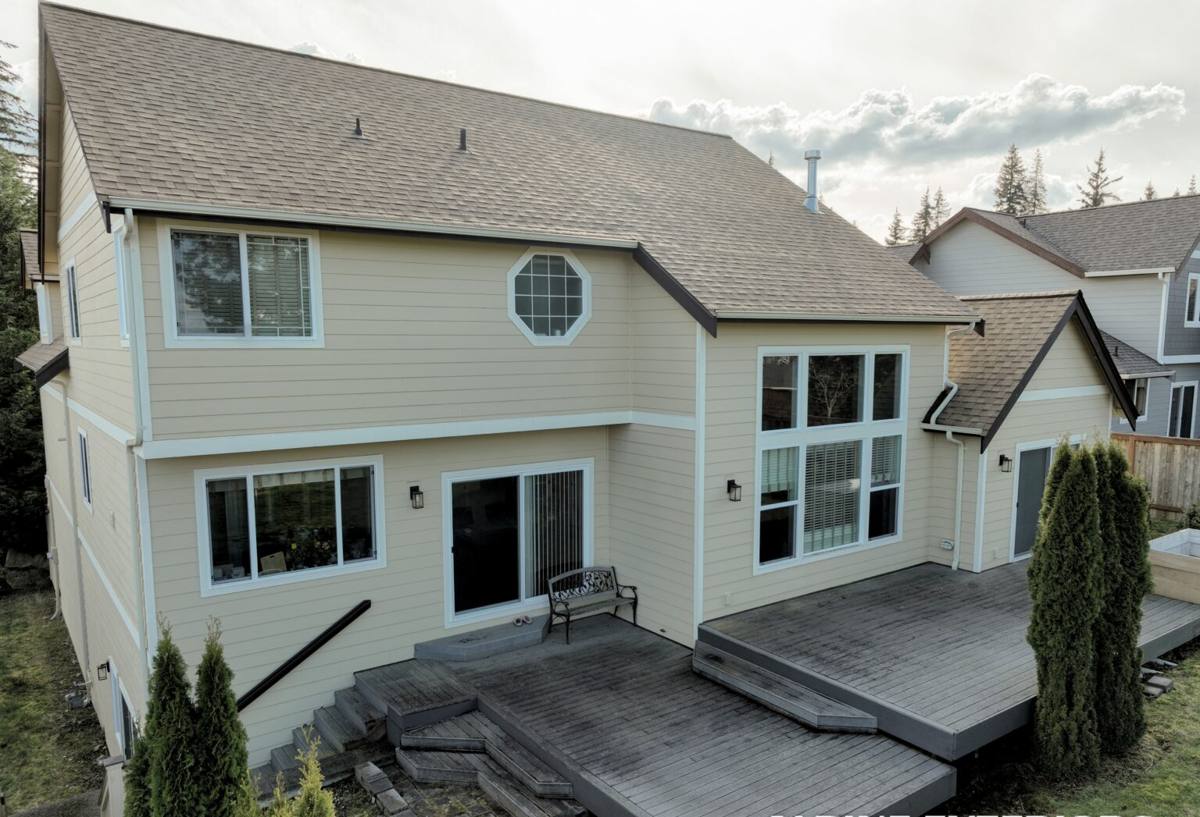
Why Decks in This Area Fail the Way They Do
Moisture that never fully lets up
Whatcom County doesn't get the kind of dramatic freeze-thaw cycling some inland regions do, but it makes up for it with sheer duration of wet weather. Driving rain gets pushed sideways by wind off the water and works its way under flashing, into end-grain cuts, and around fastener heads. Wood that never gets a real chance to dry out is wood that rots from the inside before it ever looks bad on the surface.
Salt air and hardware corrosion
Homes closer to open water deal with airborne salt that accelerates corrosion on fasteners, joist hangers, and any exposed metal connectors. A deck can look structurally fine while the hardware holding it together has quietly lost most of its strength. This is one of the most common reasons a deck that "looks okay" fails a hands-on inspection.
A long moss season
Moss and algae thrive in the shade and moisture that are common around Barkley's tree-covered lots. On decking surfaces, moss holds water against the wood and creates a slick, unsafe walking surface. On the structure underneath, moss and organic buildup trap moisture against ledger boards and framing where it's hardest to spot.
Signs a Deck Needs Full Replacement, Not Repair
- Soft, spongy, or spring-loaded decking boards, especially near the house or stair landing
- Visible gaps or rust streaks around joist hangers and structural fasteners
- A ledger board that's separating from the house, or shows dark staining or soft wood at the connection
- Posts that wobble or footings that have shifted, heaved, or cracked
- Persistent moss or algae that returns within weeks of cleaning
- A deck older than 15-20 years that has never had the framing inspected, only the surface refinished
- Railings that flex noticeably when leaned on
Any one of these on its own might be repairable. Several together, especially involving the structural framing or ledger connection, usually mean it's time to rebuild rather than patch.
What a Correct Deck Replacement Actually Involves
A deck is only as good as what's underneath it. Replacing the visible boards without addressing the structure underneath is how decks end up needing replacement again in half the time they should last.
Tear-out and structural assessment
We remove the old decking and railing first, then inspect the framing, ledger connection, posts, and footings with the surface gone. This is the point where hidden rot, undersized framing from an older build, or corroded hardware actually becomes visible.
Ledger board and flashing
The ledger board — where the deck attaches to the house — is the single most common failure point we find in this climate. Correct flashing here isn't optional trim; it's what keeps water from running down behind the siding and into the house framing. A deck that's failed at the ledger is often a sign the original installation cut a corner that eventually cost the homeowner far more than it saved.
Footings and posts
Footings need to sit below frost depth and be sized appropriately for the deck's load. On sloped Barkley-area lots, we also pay attention to drainage around footings, since standing water against a post base is one of the fastest ways to shorten its life.
Framing and fasteners
We use fasteners and structural connectors rated for exterior and, where warranted, coastal-exposure use. Given the salt air in this area, this is not a place to save a few dollars on hardware — it's the part of the deck you never see again once the decking goes down.
Decking surface and railing
The final layer is what you'll actually stand on and see every day. Material choice here matters a lot for long-term maintenance, and it's worth walking through honestly.
Choosing a Decking Material for This Climate
| Material | Upfront Cost | Moisture/Moss Resistance | Maintenance |
|---|---|---|---|
| Pressure-treated wood | Lowest | Fair — needs sealing to perform well | Annual cleaning and re-sealing recommended |
| Cedar | Moderate | Good natural resistance, but still absorbs moisture | Periodic sealing to maintain appearance and lifespan |
| Capped composite | Higher | Very good — resists moisture absorption and moss growth | Occasional washing; no sealing or staining |
| PVC decking | Highest | Excellent — essentially non-porous | Lowest maintenance of the group |
There's no single "correct" answer for every home. Wood costs less up front but asks for more attention in a climate that rarely gives wood a break. Composite and PVC cost more initially but hold up better against the moss and moisture cycle common around Barkley, which for many homeowners pays off in fewer weekends spent cleaning and re-sealing. We'll walk through the honest trade-offs for your situation rather than push one product across the board.
What Drives the Cost of a Deck Replacement
| Factor | Why It Matters |
|---|---|
| Deck size and layout | Square footage, multiple levels, or built-in features add material and labor |
| Structural condition | Rotted framing, failed footings, or a compromised ledger require more rebuild work, not just resurfacing |
| Height and stairs | Elevated decks need more substantial framing, railing, and often permitted stair construction |
| Material selection | Wood, cedar, composite, and PVC span a wide cost range, as shown above |
| Site access | Sloped or tree-covered lots, common in Barkley, can affect equipment access and demolition time |
| Permitting | Whatcom County and local jurisdiction requirements affect timeline and structural specs |
Without seeing the site, any number we gave you would be a guess. What we can say honestly is that deck replacement costs vary widely based on the factors above, and a proper structural rebuild will cost more than a cosmetic resurfacing — but it's the version that actually lasts.
Our Process for Barkley Homeowners
- On-site evaluation. We inspect the existing deck, including framing and footings where accessible, and talk through what you actually need from the new deck.
- Honest scope and options. We explain what's structurally required versus what's a material or design preference, so you're deciding with full information.
- Permitting. We handle the permit process where required, which keeps your rebuild compliant and avoids problems if you sell the home later.
- Demolition and disposal. Old decking, railing, and framing are removed and hauled off.
- Structural rebuild. Footings, framing, ledger flashing, and hardware are installed to current standards, not just replaced in kind.
- Decking, railing, and finish work. Your chosen material goes down last, with attention to drainage and airflow underneath to slow future moisture and moss buildup.
- Final walkthrough. We go over the finished deck with you and explain any maintenance specific to the material you chose.
Maintaining a New Deck Through Moss Season
- Sweep debris and standing leaves off the surface regularly, especially under tree cover
- Keep gutters and downspouts near the deck clear so runoff isn't draining directly onto it
- Rinse moss and algae off promptly rather than letting it establish — it's far easier to prevent than remove
- Check railing connections and stair fasteners once a year for looseness or corrosion
- If you chose wood, re-seal on the schedule appropriate to that product, not just when it looks dry
- Keep planters and furniture feet from sitting directly on the decking surface long-term, which traps moisture underneath
Why It Matters to Hire a Crew That Already Works This Area
Deck replacement isn't just carpentry — it's carpentry that has to survive a specific climate. A crew that mostly works drier regions may not default to coastal-rated hardware, may under-flash a ledger board, or may not think twice about drainage under footings on a sloped lot. Those are exactly the shortcuts that show up as failures five or ten years later, often right around the areas we described above.
Working regularly in and around Sudden Valley and Barkley also means we're familiar with the local permitting process, typical lot conditions in the area, and the specific wear patterns that Whatcom County's rain, salt air, and moss season produce on decks. That familiarity translates into fewer surprises during the project and a deck that's built to actually hold up here, not just on paper.
Get a Straight Answer About Your Deck
If your deck is showing soft spots, rust streaks, persistent moss, or just feels less solid than it used to, it's worth having someone look at the structure before deciding whether to repair or replace. We offer free, no-pressure estimates for Barkley and Sudden Valley homeowners — fill out the form below and we'll take a straightforward look at what your deck actually needs.