 Sudden Valley Siding
 Window Installation Built for the Acme Area, Not a Generic Job
Acme sits in the stretch of Whatcom County east of Bellingham, close enough to Sudden Valley that homes here face the same weather pattern year after year: long wet winters, a marine-influenced air mass that carries moisture and salt inland off the Sound, and a moss season that can run half the year on shaded rooflines and north-facing walls. Windows in this area don't fail because the glass wears out. They fail because water finds a way into the frame, sill, or wall cavity around the window and nobody catches it until the trim is soft or the drywall inside is stained.
A window installation crew that treats every job the same way they would in a dry inland climate is going to miss the details that matter here. This page covers what a correct window installation actually involves, what local conditions demand from the work, and how we approach it for homes in and around Acme.
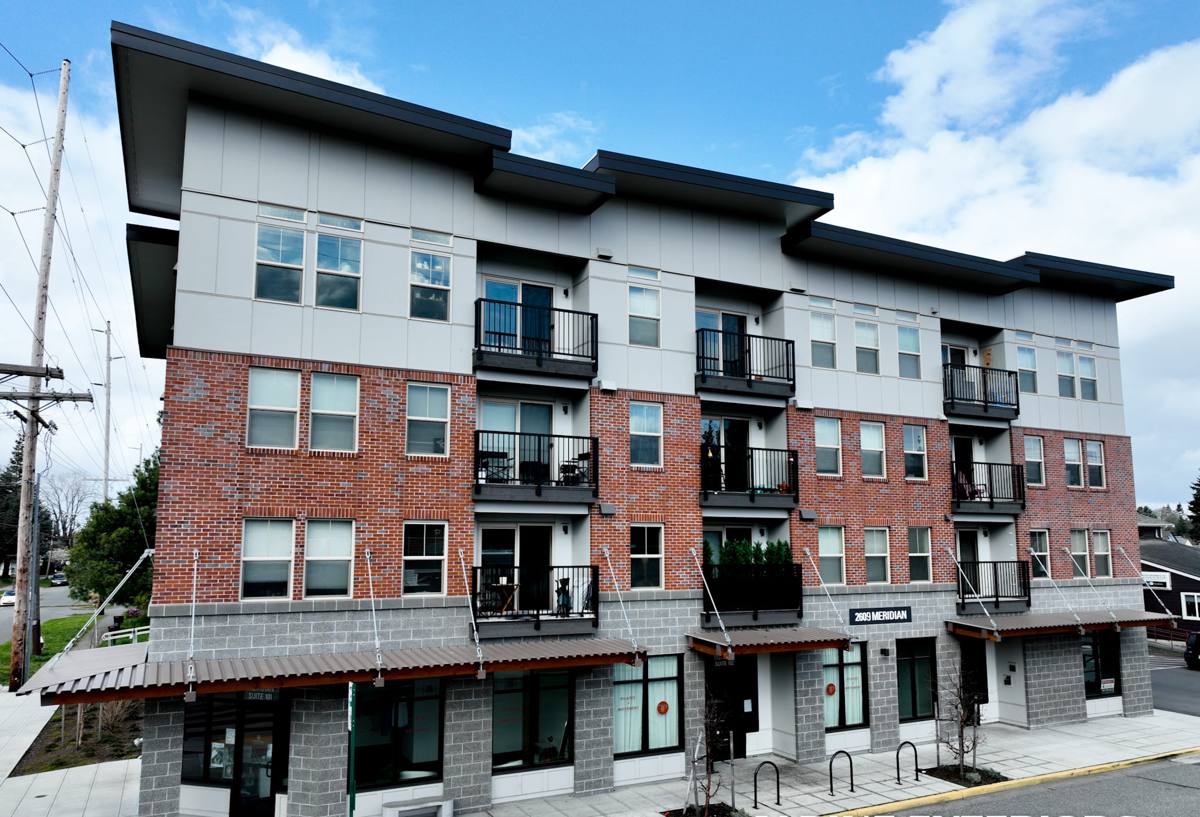
What Whatcom County Weather Does to Windows Over Time
Driving rain and wind-driven moisture
Rain here rarely falls straight down. Wind pushes it sideways against siding and window openings, which means water is tested against seals, flashing, and caulk lines far more than in calmer climates. A window that's caulked well but flashed poorly can look fine for years and still be feeding water behind the siding the entire time.
Salt-laden marine air
Even set back from the water, homes in this part of Whatcom County sit in a marine air mass. That air carries fine salt and moisture that accelerates corrosion on hardware, fasteners, and any exposed metal flashing that isn't rated for it. Cheap fasteners and unprotected metal trim show pitting and rust well before the window itself is due for replacement.
Moss and organic growth
Shaded rooflines and the north and west sides of homes here grow moss for much of the year. Moss holds moisture against surfaces far longer than open air would, and when it creeps onto window trim or sits in a sill track, it keeps that wood or composite material wet for weeks at a stretch. That's a slow rot problem more than a cosmetic one.
Signs Your Acme-Area Home Needs New Windows
Most homeowners call us after noticing one of these. If you're seeing more than one, it's worth having someone look at the whole opening, not just the glass.
- Fogging or a hazy film between panes — the seal on the insulated glass unit has failed
- Soft, spongy, or discolored wood trim around the window, inside or outside
- Windows that are hard to open, close, or lock, or that have visibly shifted in the frame
- Visible gaps letting in drafts, or a noticeable temperature difference near the window
- Moss or dark staining building up on the sill or the trim below the window
- Condensation forming on the inside of the glass regularly, even in normal weather
- Paint that keeps peeling or bubbling on the interior or exterior trim no matter how often it's redone
What a Correct Window Installation Actually Involves
Setting a new window into an existing opening looks simple from the outside. The parts that determine whether it holds up in this climate happen before the window is ever set in place.
Removal and opening inspection
Once the old window is out, the opening gets inspected before anything new goes in. Any rot, soft framing, or existing water damage needs to be dealt with at this stage — installing a new window over a compromised opening just hides the problem behind new trim.
Flashing and the moisture barrier
This is the step that matters most for this climate. Flashing tape and building paper or house wrap need to be layered correctly — top piece over the one below it, like shingles — so that any water that gets behind the siding is directed out and away from the window opening, not down into the wall cavity. A window can be perfectly caulked on the outside and still leak internally for years if the flashing sequence was done wrong.
Insulation and air sealing
The gap between the window frame and the rough opening needs to be filled with the right material — typically a low-expansion foam rated for windows — without overfilling, which can bow the frame and affect how the window operates. Gaps left unfilled become both a draft source and a path for moisture and condensation.
Exterior sealing and finish
Exterior caulking is the last line of defense, not the first. It should be applied to a clean, dry surface with the right sealant for the trim material, leaving weep holes clear so any water that does get in can drain back out. A sealed window that can't drain will trap water instead of shedding it.
Window Materials: What Actually Holds Up Locally
There's no single "best" window material for every home — it depends on your budget, the style of the house, and how much maintenance you want to take on. Here's how the common options compare for a marine, high-moisture climate like this one.
| Material | Moisture Behavior | Maintenance | Typical Trade-Off |
|---|---|---|---|
| Vinyl | Won't rot; resists moisture well | Low — occasional cleaning | Limited color options; frames can flex on larger units |
| Fiberglass | Very stable in wet, temperature-swinging conditions | Low | Higher upfront cost than vinyl |
| Wood (unclad) | Handsome but vulnerable to prolonged moisture exposure | High — regular painting/sealing | Best suited to protected elevations, not exposed weather sides |
| Wood-clad (vinyl or aluminum exterior) | Exterior sheds water well; wood interior still needs care | Moderate | Good middle ground where appearance matters |
| Aluminum | Durable but conducts cold and can condensate more | Low | Less common in residential retrofits here due to energy performance |
Our general standard for homes in this area is vinyl or fiberglass for anywhere exposed to direct wind-driven rain, with wood or wood-clad reserved for protected elevations where a homeowner specifically wants that look and is willing to keep up with the maintenance it requires. That's a maintenance and moisture-behavior call, not a statement that wood windows are bad — they just ask more of the owner in this climate.
Our Window Installation Process for Acme Homes
- On-site assessment — we look at each opening, note existing damage, and measure for exact fit rather than working off assumptions.
- Written scope and product selection — you get a clear breakdown of the window make and model, glass package, and installation scope before any work starts.
- Removal and opening repair — old windows come out, any rot or damage in the framing gets addressed, not covered.
- Flashing, insulation, and setting the window — done in the sequence that keeps water moving out, not in.
- Exterior and interior finish — trim, caulking, and paint or stain matching as needed.
- Final walkthrough — every window opens, closes, and locks correctly before we consider the job done.
Why a Crew That Already Works Acme and Sudden Valley Matters
Weather-driven damage patterns repeat themselves house to house in the same microclimate. A crew that's worked a number of homes in this specific area already knows which elevations tend to take the worst of the wind-driven rain, how quickly moss builds up on shaded trim locally, and what flashing details hold up over multiple wet seasons here versus what looks fine on installation day and fails two winters later. That's not something you can fully substitute with a national warranty or a big-box crew rotating through unfamiliar territory — it's built from doing the work in this specific climate, repeatedly, and seeing what actually lasts.
Cost Factors Worth Understanding Upfront
Window installation pricing varies by opening size, material, glass package, and whether the existing opening needs repair before the new window goes in. Rather than quote a number that doesn't apply to your house, we walk through the specific factors that affect your project:
- Number and size of window openings being replaced
- Material choice (vinyl, fiberglass, wood, or wood-clad)
- Glass package — standard double-pane versus upgraded low-E or gas-filled units
- Condition of the existing framing and whether repair is needed before installation
- Trim and finish work required to match the rest of the home
Maintenance After Installation
A correctly installed window in this climate still benefits from basic upkeep. Rinse pollen, salt residue, and grime off the exterior a couple of times a year, keep gutters and downspouts clear so runoff doesn't sheet directly across window openings, and check caulk lines annually for cracking or separation — catching a small gap early is a much smaller job than dealing with water damage behind the trim later. If moss starts forming on nearby trim or siding, treating it before it spreads onto the window frame itself will save you maintenance down the road.
If you're dealing with drafty, foggy, or hard-to-operate windows on a home in or around Acme, we're happy to take a look and give you a straightforward, no-pressure estimate — just fill out the form below.