 Sudden Valley Siding
 Building Decks for Sehome's Coastal Climate
Sehome sits close enough to Bellingham Bay that salt-laden air is a real factor in how a deck ages, not just a talking point. Add Whatcom County's long wet season, months where moss and algae get a head start on any horizontal surface that doesn't drain and dry properly, and you have a climate that is genuinely harder on decks than most of the country. A deck built here has to handle driving rain coming in sideways off the water, repeated freeze-thaw cycles in the shoulder seasons, and near-constant dampness that never fully lets wood or hardware dry out for long stretches of the year.
That combination punishes shortcuts. A deck that would hold up fine in a dry inland climate can show rot, corroded fasteners, or slick moss growth within a few seasons here if it wasn't built with this specific environment in mind. This page focuses on what that actually means for a deck built for a Sehome home — the materials, the structural details, and the maintenance habits that make the difference between a deck that lasts and one that becomes a recurring repair project.
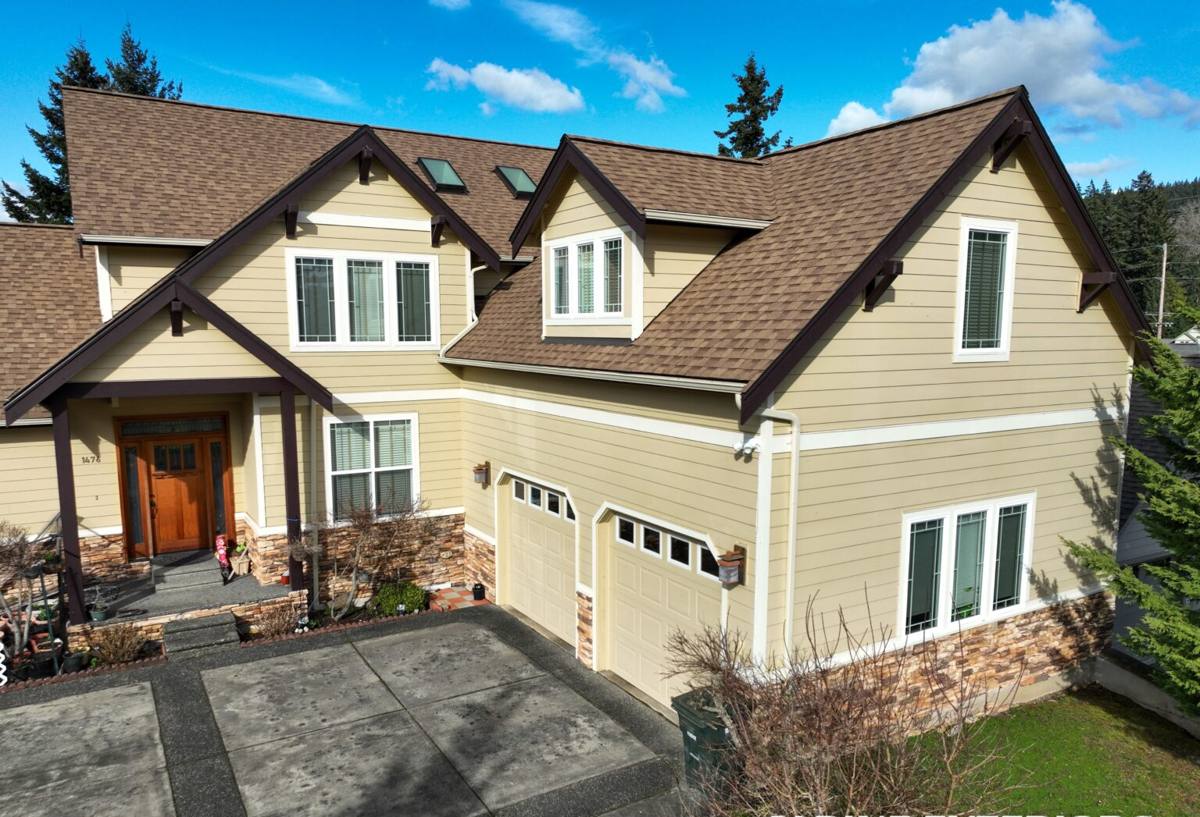
What Correct Deck Construction Looks Like Here
A deck is only as good as what you can't see once it's finished. In Sehome's climate, three things matter more than they would in a drier region: drainage, ventilation, and the quality of every metal connector holding the structure together.
Drainage first
Every deck surface needs a way to shed water quickly, and every board gap needs to actually function as a gap rather than close up once the wood swells. Decks built too tight, or built without attention to slope and airflow underneath, hold moisture against the framing long after the rain has stopped. That trapped moisture is exactly what feeds rot and moss growth.
Ventilation underneath
Low decks built close to the ground, or decks skirted in without enough airflow, trap humid air underneath the joists. That's a slow-motion problem — it doesn't show up as a failure in year one, it shows up as soft framing in year six or seven. We build in enough clearance and airflow to keep the underside of the deck drying out between storms, not sitting damp for weeks at a time.
Hardware that matches the environment
Salt air accelerates corrosion on fasteners and connectors that would otherwise last decades. Using the correct coated or stainless hardware throughout — not just on the parts that are easy to see — is one of the most overlooked factors in how long a deck actually lasts near the water.
Decking Material Options for a Sehome Deck
There's no single "best" decking material — the right choice depends on your budget, how much upkeep you want to do, and how much shade and moisture the deck's location gets. Here's an honest comparison of the main options we install:
| Material | Upfront Cost | Maintenance | Moss/Moisture Behavior | Typical Lifespan |
|---|---|---|---|---|
| Pressure-treated wood | Lowest | Annual cleaning, periodic sealing | Absorbs moisture; needs regular cleaning to resist moss and mildew staining | 15-20 years with upkeep |
| Cedar | Mid-range | Sealing every 1-2 years to hold color and resist moisture | Naturally more rot-resistant than treated pine, but still needs cleaning in shaded, damp spots | 20-25 years with upkeep |
| Composite / capped composite | Highest | Occasional washing, no sealing or staining | Doesn't absorb moisture like wood, but still needs surface cleaning where moss spores land and shade keeps it damp | 25-30+ years, warrantied |
A common misconception is that composite decking is "maintenance-free." In a climate like this one, no outdoor surface is truly maintenance-free — composite just shifts the maintenance from sealing and staining to periodic washing to keep moss and pollen film from building up on the surface. We'll walk you through the honest trade-offs for your specific site — shade, exposure, and how much time you want to spend on upkeep — rather than pushing whichever material has the best margin.
Framing, Footings, and Ledger Attachment — The Parts You Don't See
The framing underneath a deck does more work than the decking boards on top, and it's where poor construction shows up years later as a safety issue rather than a cosmetic one.
Footings
Footings need to be sized and set below frost depth and on stable, well-draining soil. In areas with clay-heavy or consistently damp soil, undersized or shallow footings are one of the most common causes of a deck that develops a noticeable lean or bounce within a few years.
Ledger board attachment
The ledger board — where the deck attaches to the house — is the single most safety-critical connection on the whole structure, and it's also the connection most exposed to water intrusion if it's flashed incorrectly. A ledger without proper flashing lets water run behind it and into the house's rim joist, which can cause hidden rot in the home itself, not just the deck. We flash every ledger connection properly and never skip this step to save time.
Joists and beams
Joist spacing and beam sizing need to match the actual load the deck will carry, including furniture, hot tubs if applicable, and snow load in a heavier winter. We size framing to current code requirements rather than the minimums that were common on older decks built decades ago.
Railings, Fasteners, and Hardware for Salt Air
Railings take a lot of abuse — hands, weather, and UV exposure all in one component — and they're also a code-driven safety item, not just a design choice. We build railing systems to current Whatcom County code height and baluster spacing requirements, using connection hardware rated for exterior, coastal-influenced conditions.
On fasteners specifically: hidden fastener systems for composite decking look cleaner, but they need to be installed correctly and with compatible hardware, or they become the first point of failure. Exposed fastener heads that aren't corrosion-rated will streak and stain the decking around them within a couple of wet seasons — a small detail that has an outsized effect on how a deck looks five years in.
Our Process From Estimate to Finished Deck
- On-site assessment — we look at grade, drainage, sun/shade exposure, and how the deck will connect to your home before recommending materials.
- Honest material recommendation — based on your budget and how much maintenance you actually want to do, not a one-size-fits-all pitch.
- Permit handling — we pull the required permits and build to current code, including footing depth, ledger flashing, and railing requirements.
- Framing and structural work — footings, beams, joists, and ledger attachment, inspected before decking goes down.
- Decking, railings, and finish work — installed with attention to drainage gaps and corrosion-rated hardware throughout.
- Final walkthrough — we go over care and maintenance specific to the material you chose before we consider the job done.
Maintenance Checklist for Sehome Homeowners
Whatever material you choose, a few habits make a real difference in how long a deck stays solid and safe in this climate:
- Clear leaves and debris from between boards regularly — trapped organic material feeds moss and holds moisture against the wood or composite surface.
- Wash the deck surface at least once a year, more often in shaded or heavily treed spots where moss takes hold faster.
- Check and re-seal wood decking on the manufacturer's recommended schedule — don't wait until it looks obviously dry or gray.
- Inspect railings and stair connections annually for loose fasteners or corrosion, especially on hardware closer to grade.
- Keep gutters and downspouts near the deck clear so runoff isn't dumping extra water directly onto or under the structure.
- Look underneath the deck once a year for standing water, soft framing, or signs of pests — problems here are far cheaper to catch early.
Permits and Code Considerations in Whatcom County
Deck construction in Whatcom County is subject to permitting and inspection requirements, and for good reason — footing depth, railing height, guard spacing, and structural connections are all safety items, not paperwork formalities. Skipping permits on a deck project can create real problems later, from failed home inspections at resale to liability questions if something goes wrong. We handle the permitting process as part of the job so you don't have to navigate it yourself, and we build to the code requirements that apply to your specific property and deck size.
Why Hire a Crew That Already Works in Sehome
A deck built by a crew that hasn't worked much in this specific climate tends to make the same mistakes: undersized drainage gaps, standard-grade fasteners that weren't chosen with salt air in mind, or ledger flashing details that work fine in a drier region but fail here. We work throughout Sudden Valley and the surrounding Whatcom County communities, including Sehome, and we build every deck expecting the driving rain, the extended damp season, and the moss pressure that comes with it — not as an afterthought, but as the baseline standard we build to on every project.
Local experience also means a more accurate estimate up front. We're not guessing at how your site drains or how much sun a given spot on your property actually gets through the year — we've seen how homes in this area perform through multiple wet seasons, and that shows up in the material recommendations and structural details we build in from the start.
If you're planning a new deck or replacing one that's showing its age, we're happy to take a look and put together a free, no-pressure estimate. There's a form below to get started.