 Sudden Valley Siding
 Siding Installation in Silver Beach: Why the Details Matter Here
Silver Beach homes sit in one of the more demanding pockets of Whatcom County when it comes to exterior wear. The combination of salt-tinged marine air moving through the area, driving rain off the water, and a moss season that can stretch for months puts constant pressure on whatever material is nailed to the wall. Siding here isn't just a cosmetic choice — it's the single layer standing between your framing and a climate that rarely lets a house fully dry out between storms.
We install siding in this neighborhood regularly, and the failures we get called out to inspect almost always trace back to the same root causes: water management details that were skipped to save time, a substrate that couldn't handle sustained moisture exposure, or a product installed outside the manufacturer's own guidelines. A correct installation in Silver Beach isn't dramatically different in concept from anywhere else — but the margin for error is smaller, and the consequences of cutting corners show up faster.
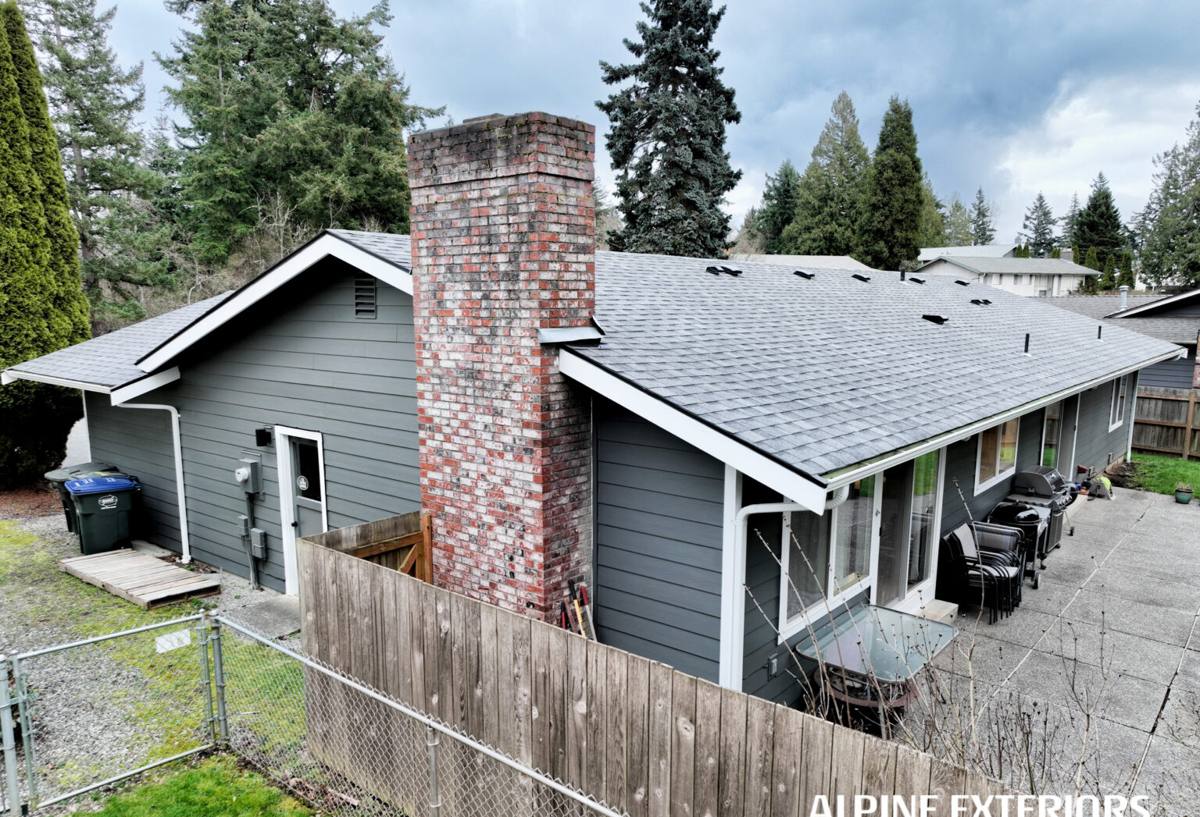
What Local Homes Actually Need From Their Siding
Three climate factors drive nearly every decision we make on a Silver Beach siding job:
Salt-Influenced Air
Airborne salt accelerates corrosion on fasteners, flashing, and any metal trim that isn't rated for coastal-adjacent exposure. It also degrades paint films faster than it would further inland, which is why factory-applied, baked-on finishes hold up so much better here than field-applied paint.
Driving, Wind-Driven Rain
Rain that comes in sideways doesn't behave like rain falling straight down. It gets pushed up under laps, into seams, and behind trim that isn't properly flashed. Water management — not just water resistance — is the whole game.
A Long Moss and Mildew Season
Shaded elevations, north-facing walls, and anything near overhanging trees stay damp for extended stretches. Any siding material that absorbs and holds moisture becomes a growth surface for moss, algae, and mildew, which then has to be scrubbed off or treated — an ongoing maintenance burden that never really ends.
What a Correct Installation Actually Involves
The siding panel itself is only part of the system. The parts most homeowners never see are usually what determines whether a job holds up for decades or starts showing problems in five years.
- Weather-resistive barrier: A properly lapped and sealed house wrap behind the siding, installed so water is directed out and down, not trapped against the sheathing.
- Flashing at every penetration: Windows, doors, hose bibs, vents, and any other wall penetration need integrated flashing — not just a bead of caulk.
- Rainscreen or drainage gap: A ventilated gap between the siding and the wall assembly lets any moisture that does get through drain and dry instead of sitting against the substrate.
- Correct fastening: Fastener type, spacing, and penetration depth need to match the manufacturer's specification for the product and the wall assembly — not a generic nail schedule.
- Proper clearances: Siding kept off grade, decks, roofs, and other transitions by the manufacturer-required gap so water has somewhere to go instead of wicking up into the panel.
- Sealed and primed cut edges: Any field-cut edge of a fiber cement panel needs to be sealed before it's exposed to weather, or it becomes a point where moisture gets in.
Skip any one of these and the siding might look fine for a year or two. In a climate like this one, the problems that come from skipped steps tend to show up as staining, soft trim, or bubbling paint well before the siding itself would have worn out.
Why We Only Install James Hardie Fiber Cement
We made a deliberate decision to install one siding system — James Hardie fiber cement — and nothing else. Not vinyl, not LP SmartSide, not primed wood, not cedar. That's not a marketing position; it's a standard we hold because of what we've seen these materials do, and not do, in a climate like Whatcom County's.
Vinyl expands and contracts significantly with temperature swings, can crack in cold snaps, and doesn't hold color the way a baked-on factory finish does. Wood-based products, including engineered wood siding, are more sensitive to sustained moisture exposure at cut edges and seams — a real concern in a place that stays damp for much of the year. Fiber cement, by contrast, is non-combustible, dimensionally stable, and doesn't feed mold or moss growth the way wood-based substrates can.
James Hardie's HZ product lines are engineered specifically for regional climate zones, which matters more here than in drier parts of the country. The ColorPlus factory finish is baked on under controlled conditions and backed by its own finish warranty, so homeowners aren't relying on a field-applied paint job to hold up against salt air and years of rain. It's also why Hardie backs its products with a strong, transferable warranty — the company is standing behind material that's built for exactly the conditions Silver Beach homes deal with.
Signs Your Silver Beach Home May Need New Siding
Not every siding issue means a full replacement, but these are the signs worth having looked at:
- Persistent moss or algae growth that returns within weeks of cleaning
- Soft or spongy spots when you press on the siding, especially near the bottom courses
- Paint that's peeling, bubbling, or chalking faster than it should
- Visible warping, buckling, or panels pulling away from the wall
- Staining or streaking below seams, trim, or window heads
- A musty smell near exterior walls, which can indicate moisture getting behind the siding
- Rising energy bills that suggest the wall assembly isn't performing the way it should
If you're seeing more than one of these, especially on the sides of the house that take the most weather, it's worth an inspection before the underlying framing is affected.
Our Installation Process
- On-site assessment: We look at the existing siding, the wall assembly where it's exposed, and any trouble spots specific to your home's exposure and elevation.
- Removal and inspection: Once old siding comes off, we check the sheathing and framing underneath for hidden moisture damage before anything new goes up.
- Repair as needed: Any compromised sheathing or framing gets repaired before the weather barrier goes on — new siding over a damaged substrate just hides the problem.
- Weather barrier and drainage plane: House wrap and a drainage gap are installed to manage the water that will inevitably reach the wall over time.
- Flashing details: Windows, doors, and penetrations are flashed to direct water out, following manufacturer specifications rather than shortcuts.
- Hardie panel installation: Panels are installed to James Hardie's fastening and clearance specs, with cut edges sealed and joints treated correctly.
- Final walkthrough: We review the finished work with you, including care basics for the specific ColorPlus finish and profile installed.
Cost Factors for Silver Beach Siding Installation
Every home is different, but these are the variables that most affect the scope and cost of a siding installation project in this area:
| Factor | Why It Matters Locally |
|---|---|
| Existing substrate condition | Homes with long-term moisture exposure often need sheathing or framing repair before new siding goes on |
| Wall complexity | Multiple gables, dormers, or trim details mean more cutting, flashing, and labor time |
| Siding profile and finish | Lap width, texture, and ColorPlus color selection affect material cost within the Hardie product line |
| Exposure and elevation | Sides of the home taking the most wind-driven rain may need extra attention to flashing and drainage detailing |
| Access and site conditions | Slopes, landscaping, and tree cover common in this neighborhood can affect setup, staging, and cleanup time |
| Removal and disposal | Tear-off and haul-away of existing siding adds labor and disposal cost versus a bare-wall install |
Why It Matters to Hire a Crew That Already Works This Area
Siding installation isn't a one-size-fits-all trade, and a crew that mostly works drier inland climates can install a technically "correct" job that still isn't right for a place like Silver Beach. The drainage detailing that's optional in a mild climate is not optional here. The flashing that "should be fine" in a dry summer install needs to actually perform through a wet Whatcom County winter.
A crew that already works in this neighborhood knows which elevations take the worst weather, understands how moss and moisture behave on shaded walls, and isn't guessing at how a product will hold up over years of exposure — because they've already seen it. That local track record is worth more than a low bid from a crew unfamiliar with the area.
Caring for Your Siding After Installation
A correctly installed Hardie siding system is low-maintenance, not no-maintenance. A few basics keep it performing as intended:
- Rinse the exterior periodically to keep salt residue and organic buildup from accumulating, especially on shaded or north-facing walls
- Keep gutters clear so overflow doesn't run down the siding face repeatedly
- Trim back vegetation and tree cover that keeps a wall section damp longer than the rest of the house
- Address any caulking or sealant wear at trim joints promptly, before water finds its way behind the panel
- Have the exterior inspected periodically, especially after major storm seasons
If your Silver Beach home is due for new siding or you're seeing early warning signs, we're glad to take a look and walk you through what we find — no pressure, no obligation. Reach out for a free estimate using the form below.